Seagrass Rugs & Carpet
%2Ff_auto%2Fq_auto%2Fw_1280%2Fv1732222733%2FFlooring%2FVendors%2FDMI%2FBeauty_Image%2Fcalypsonatural_seagrass_5_renny_CG_edit_Nov2024_oao8ar.webp&w=2560&q=65)
%2Ff_auto%2Fq_auto%2Fw_1280%2Fv1680194473%2FFlooring%2FVendors%2FDMI%2FBeauty_Image%2Fcalypso_natural_dmi_closeup_textural_wd_wmagpo.webp&w=2560&q=65)
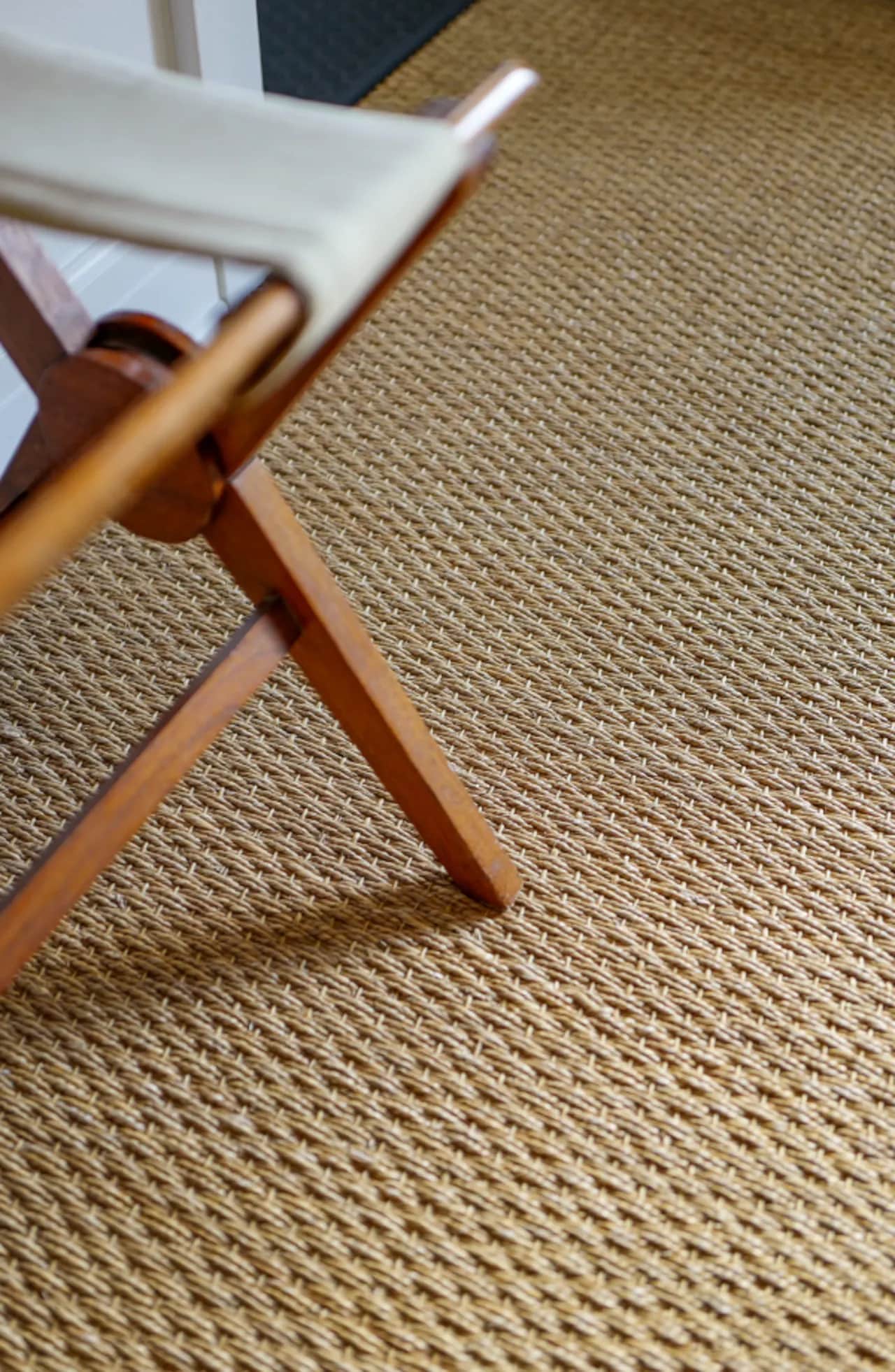
Discover the Beauty of Seagrass
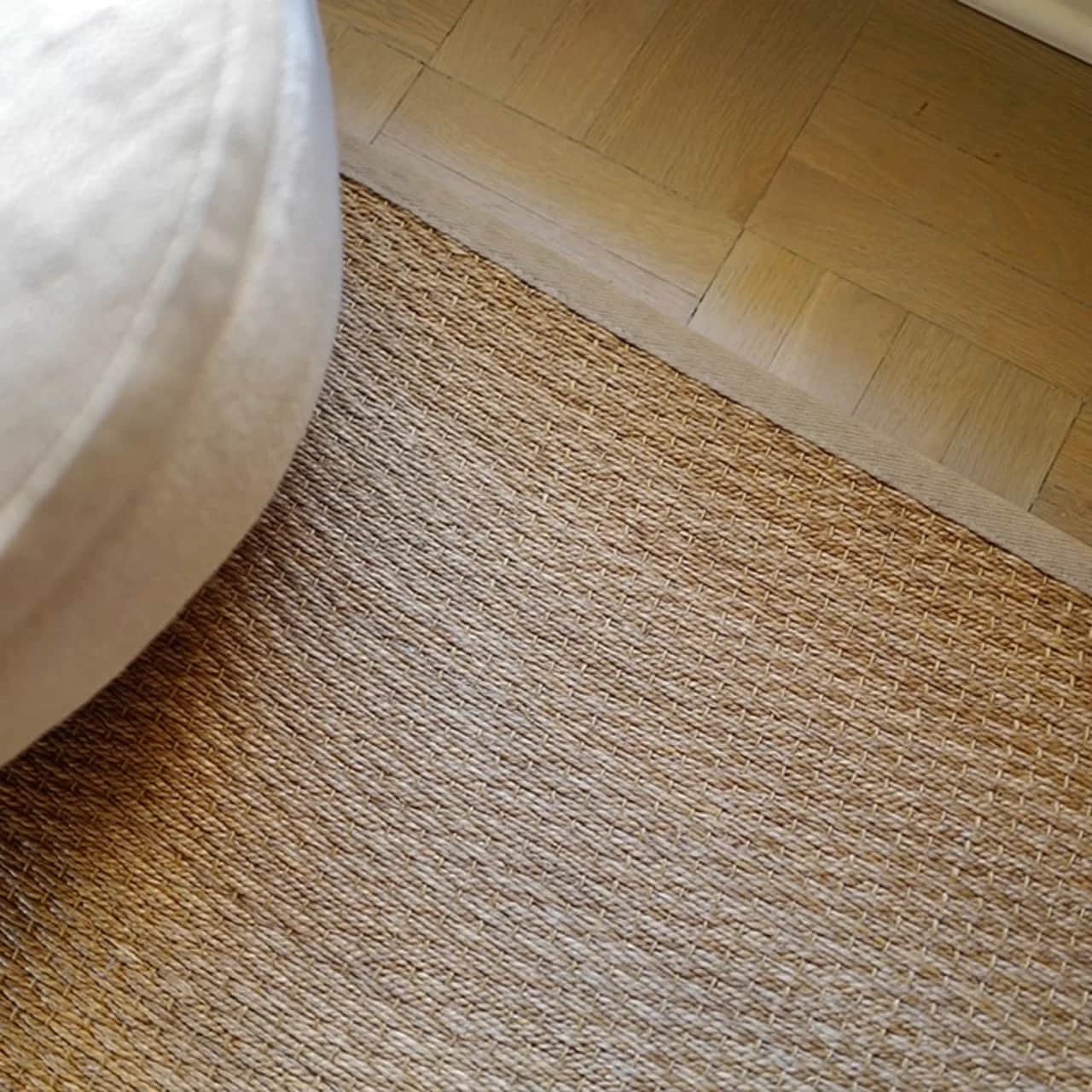
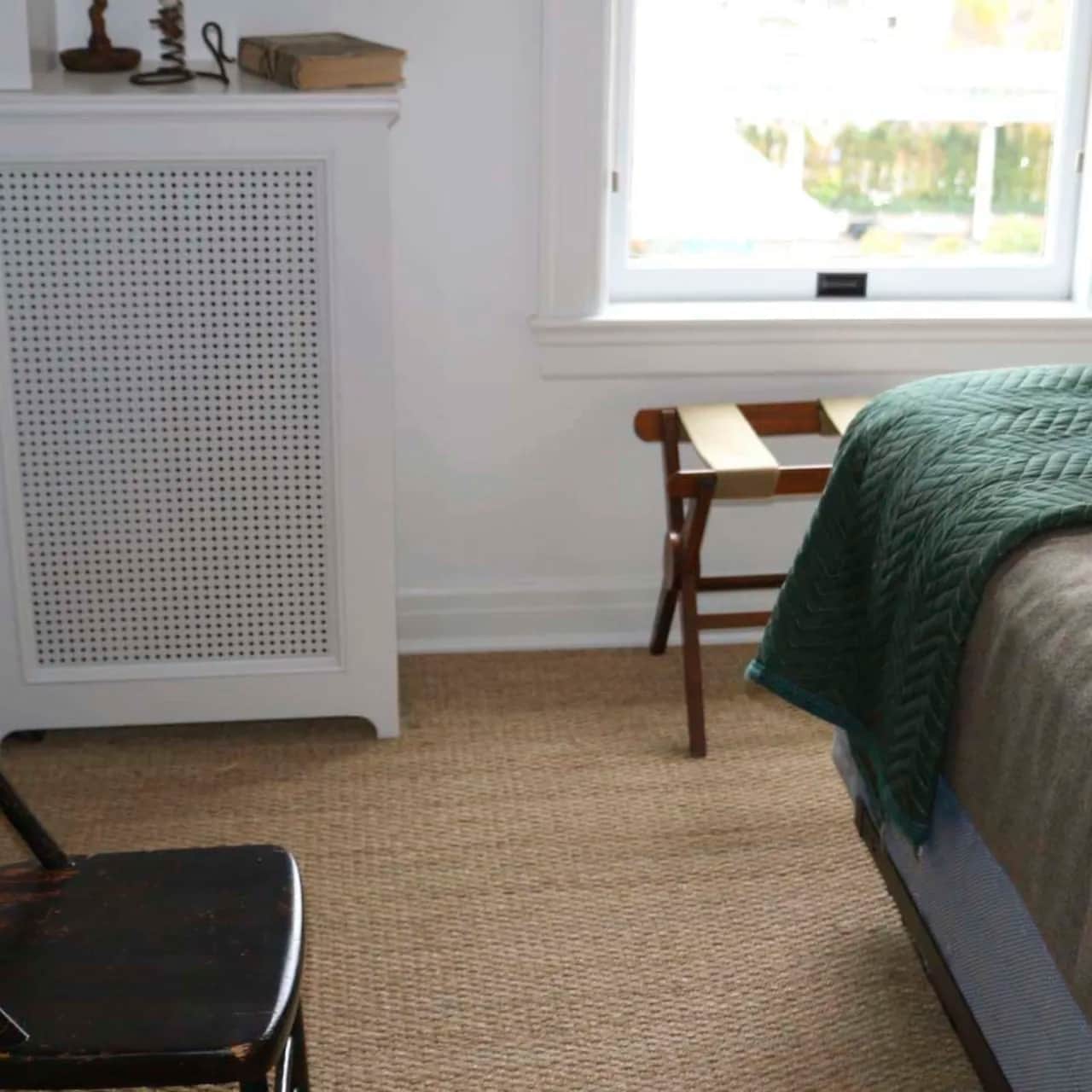
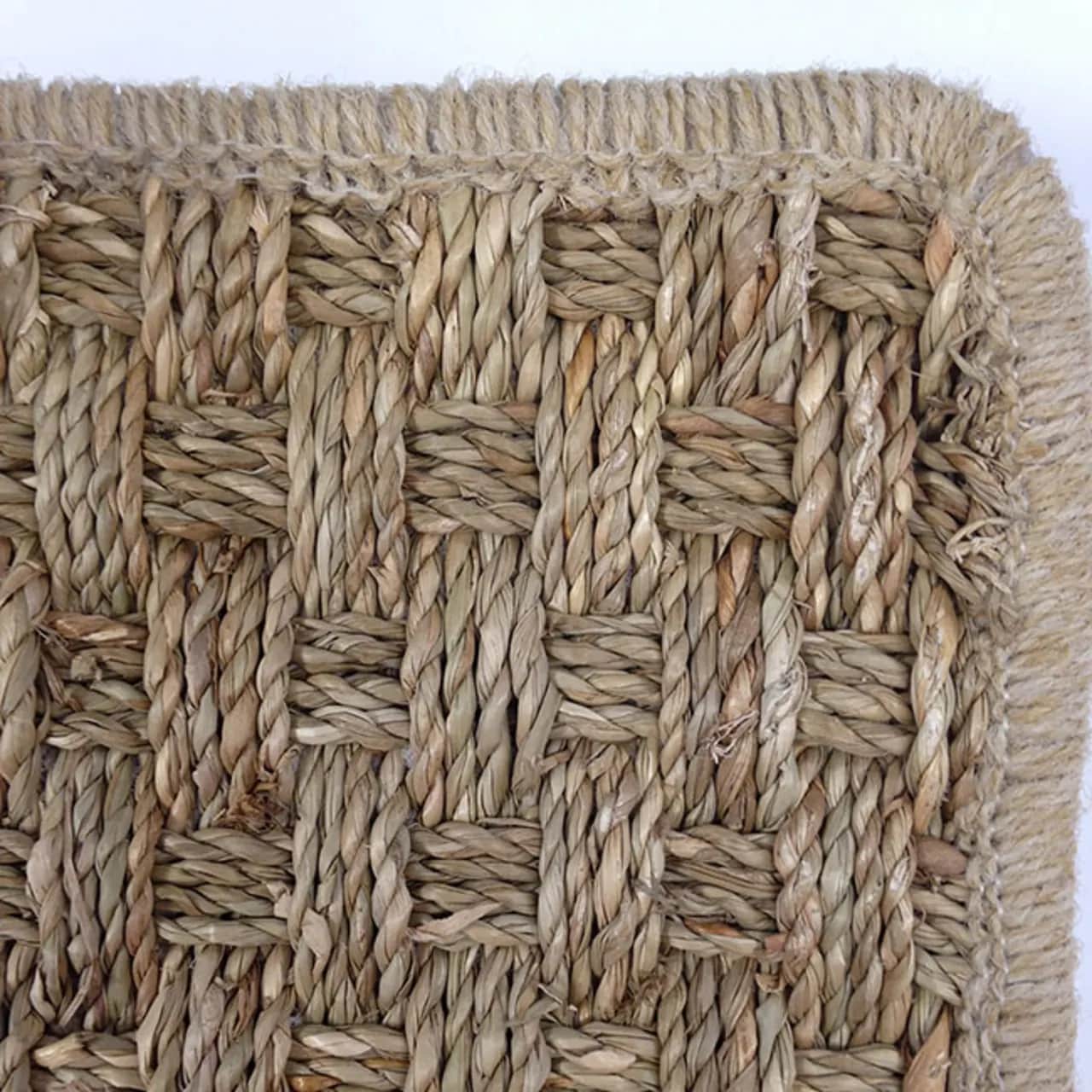
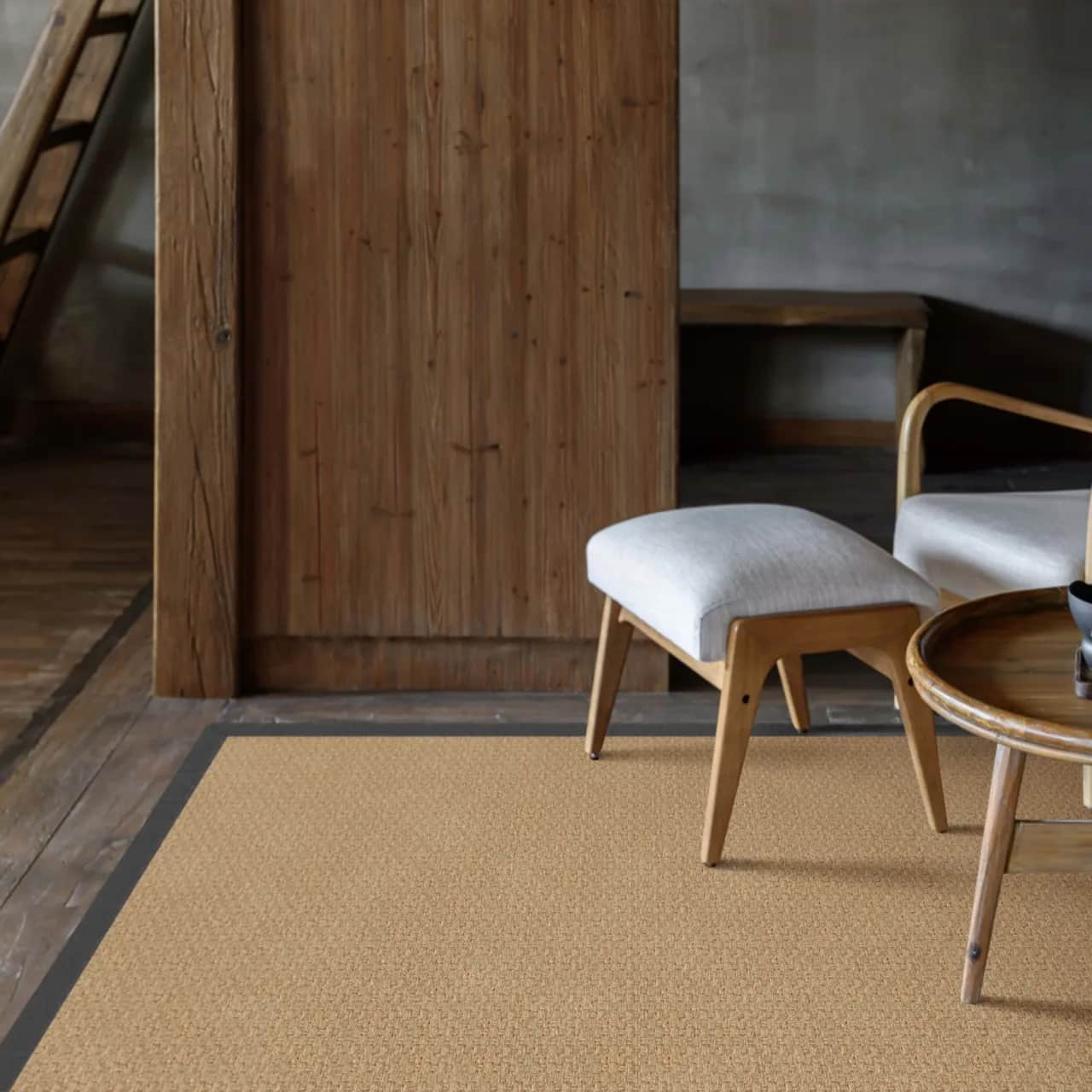
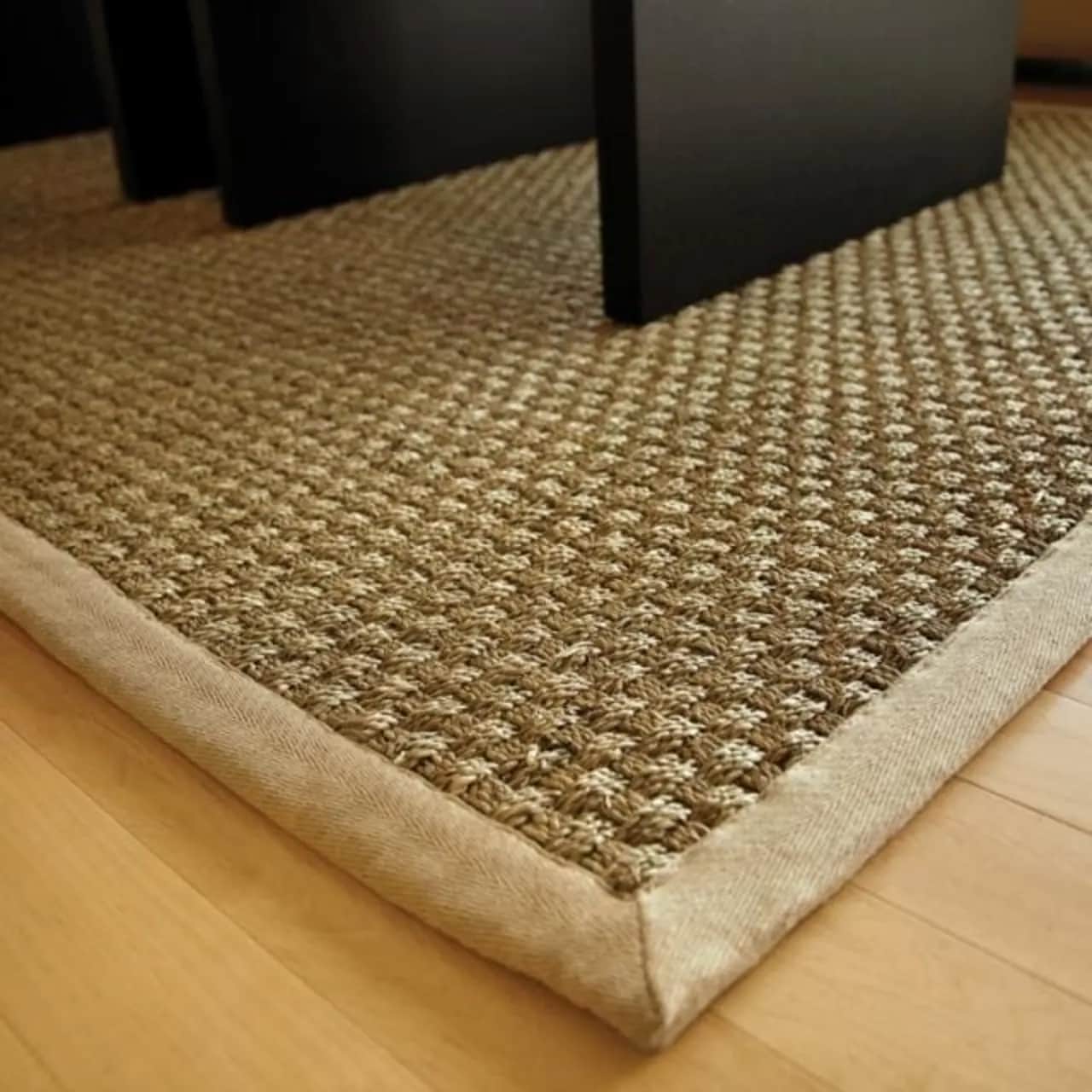
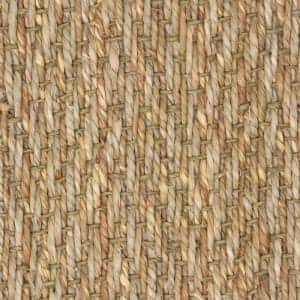
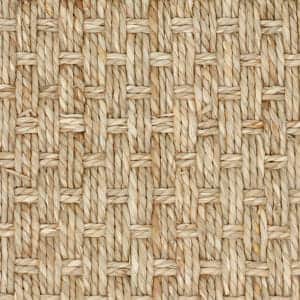
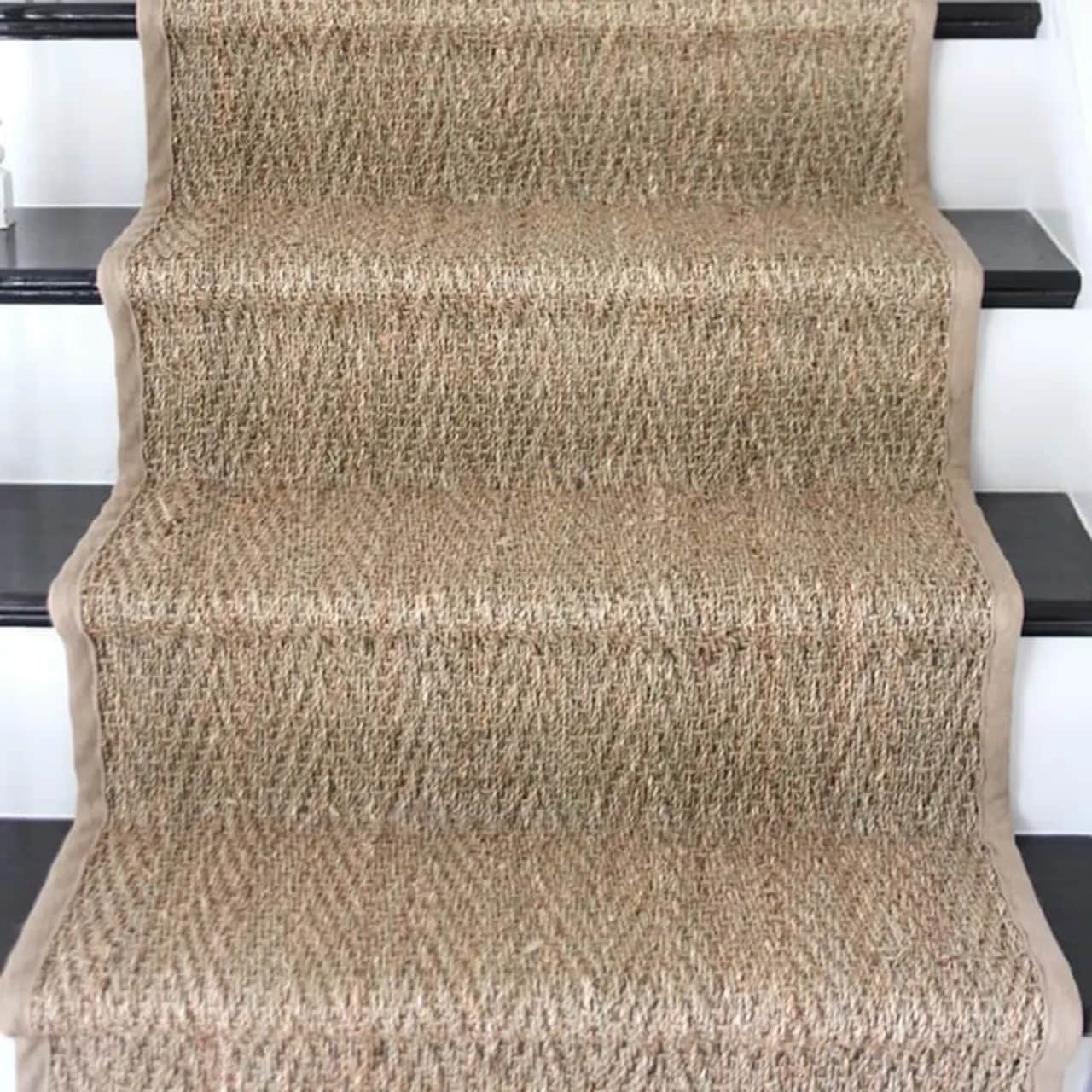
Rich in natural texture and character, seagrass is available as custom area rugs and wall-to-wall carpet.
Explore our collection of woven styles, or learn more about seagrass, its benefits, and care requirements in the FAQ below.







What size rug do I need?
Learn about recommended rug sizes, room layouts, and placement tips for every room in the home.
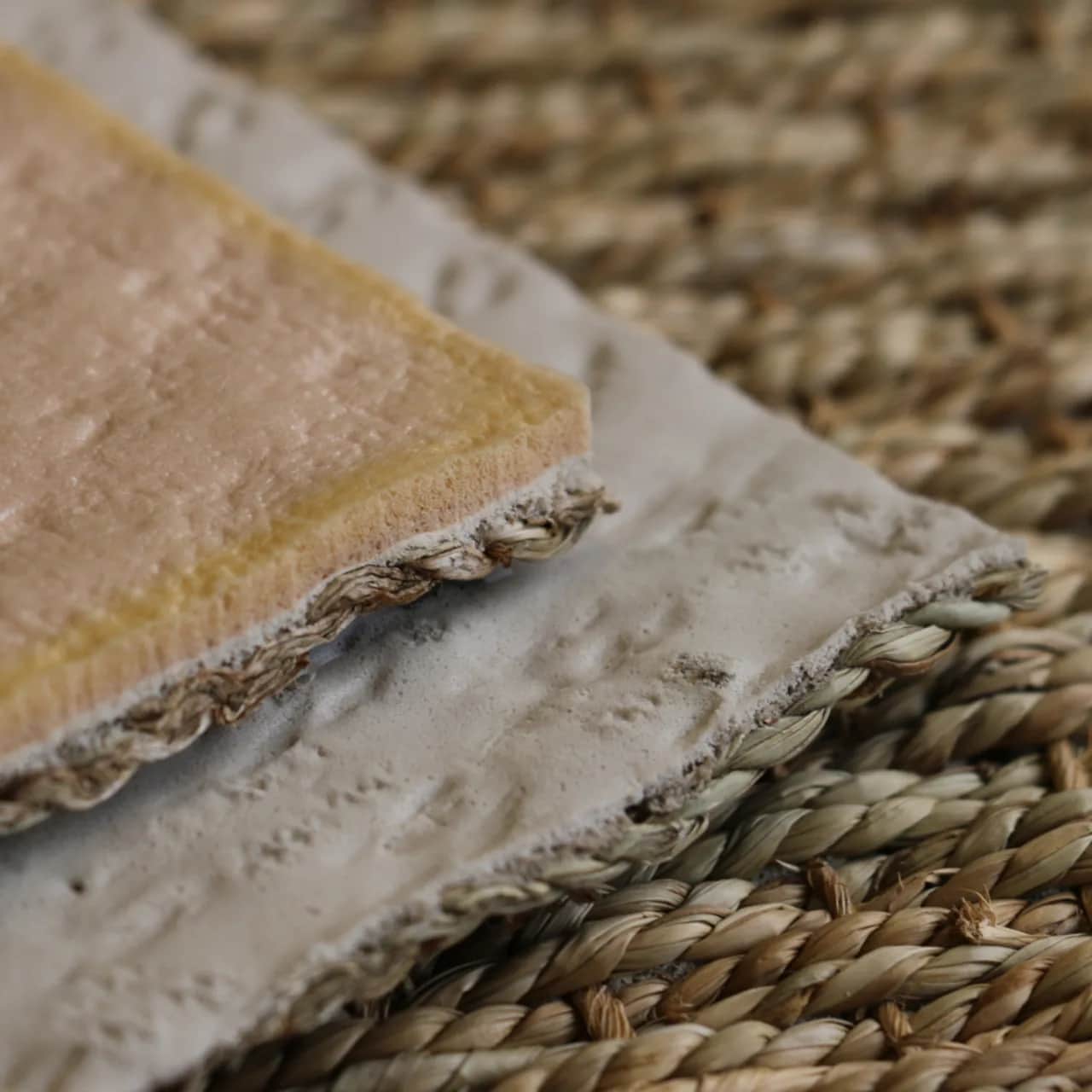
A perennial plant that grows in low-lying, underwater meadows of the Asia-Pacific region, seagrass is often confused with seaweed or grasses. Seagrass is actually a flowering plant with roots, stems, and leaves. The “grass-like” leaves are harvested and woven in a variety of products from baskets to placemats, from rugs to furniture. Being a water plant, its fibers are non-porous and durable, making seagrass an ideal material for rugs and carpets.
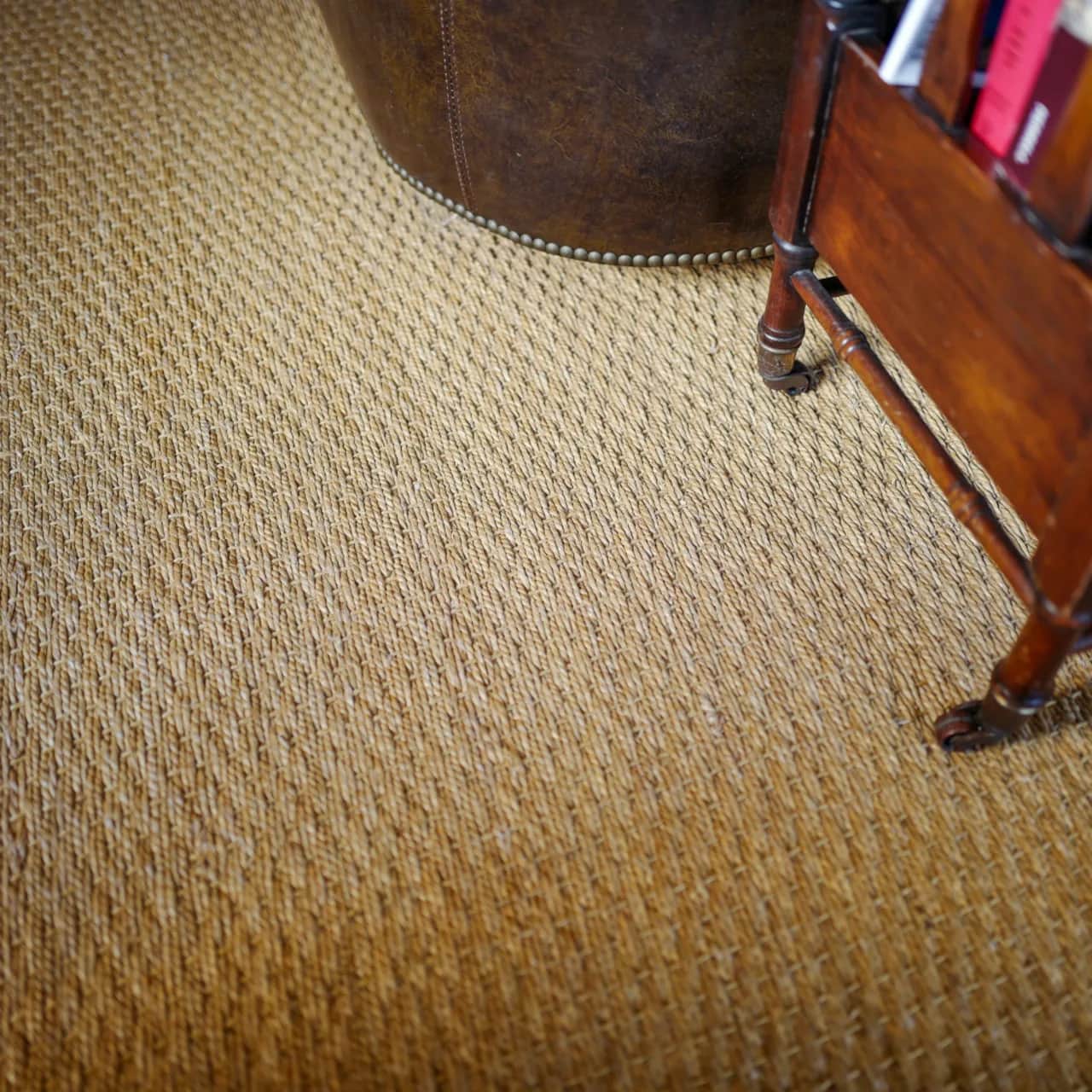
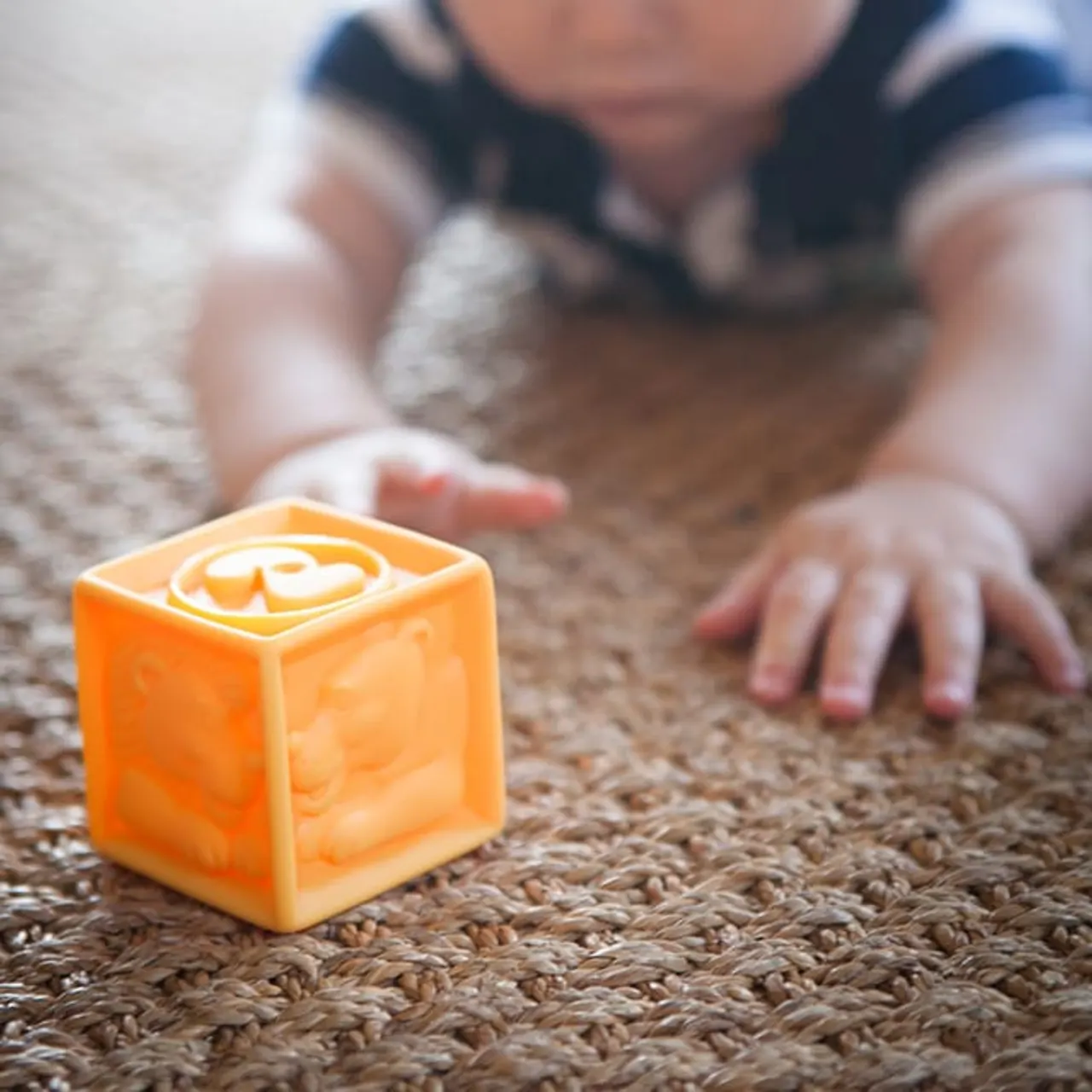
Seagrass fibers have a smooth texture, natural stain resistance, and exceptional durability. Seagrass also feels surprisingly comfortable underfoot and is often one of the most affordable natural fiber options. A seagrass rug or carpet works well in busy areas such as hallways, entryways, living rooms, and other gathering spaces.
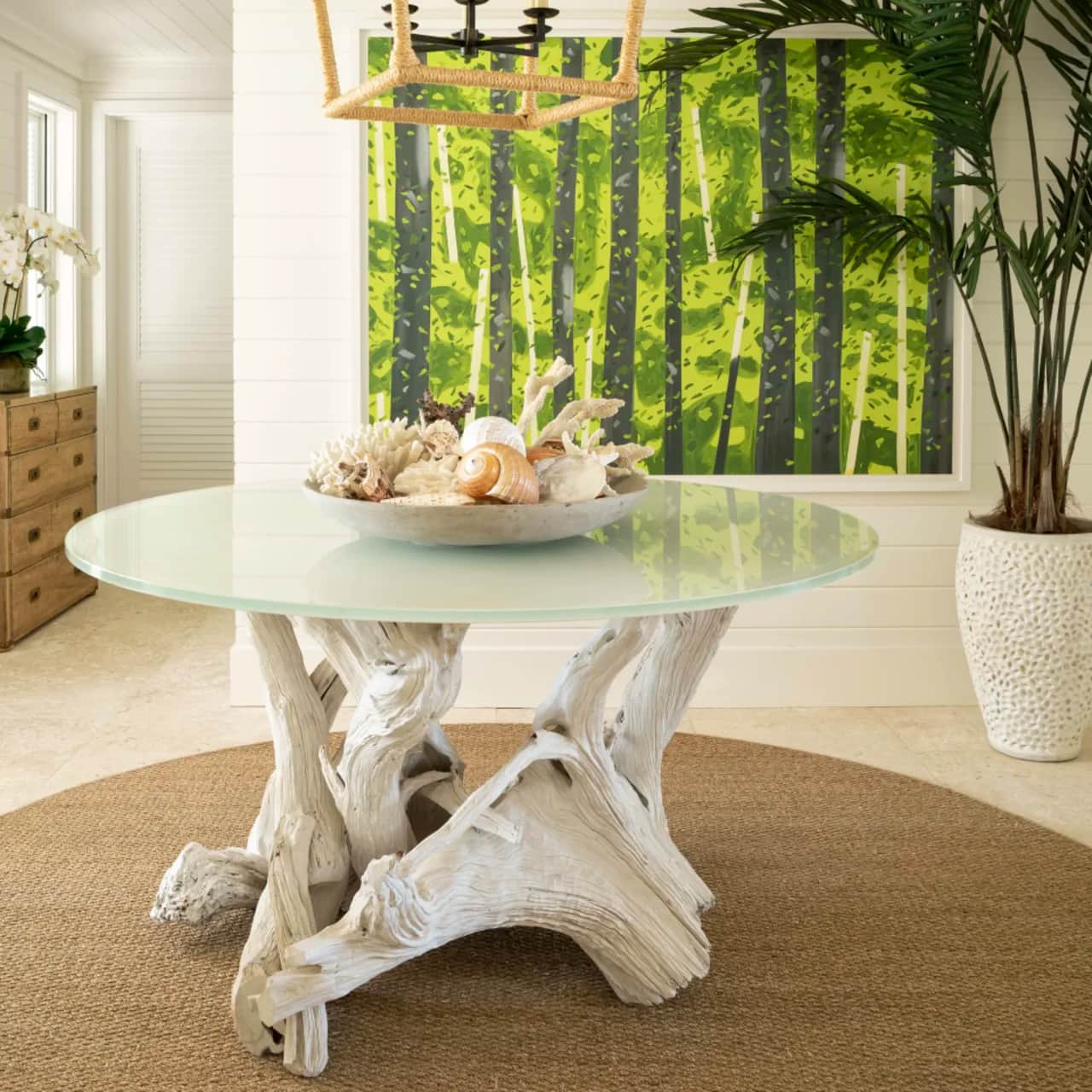
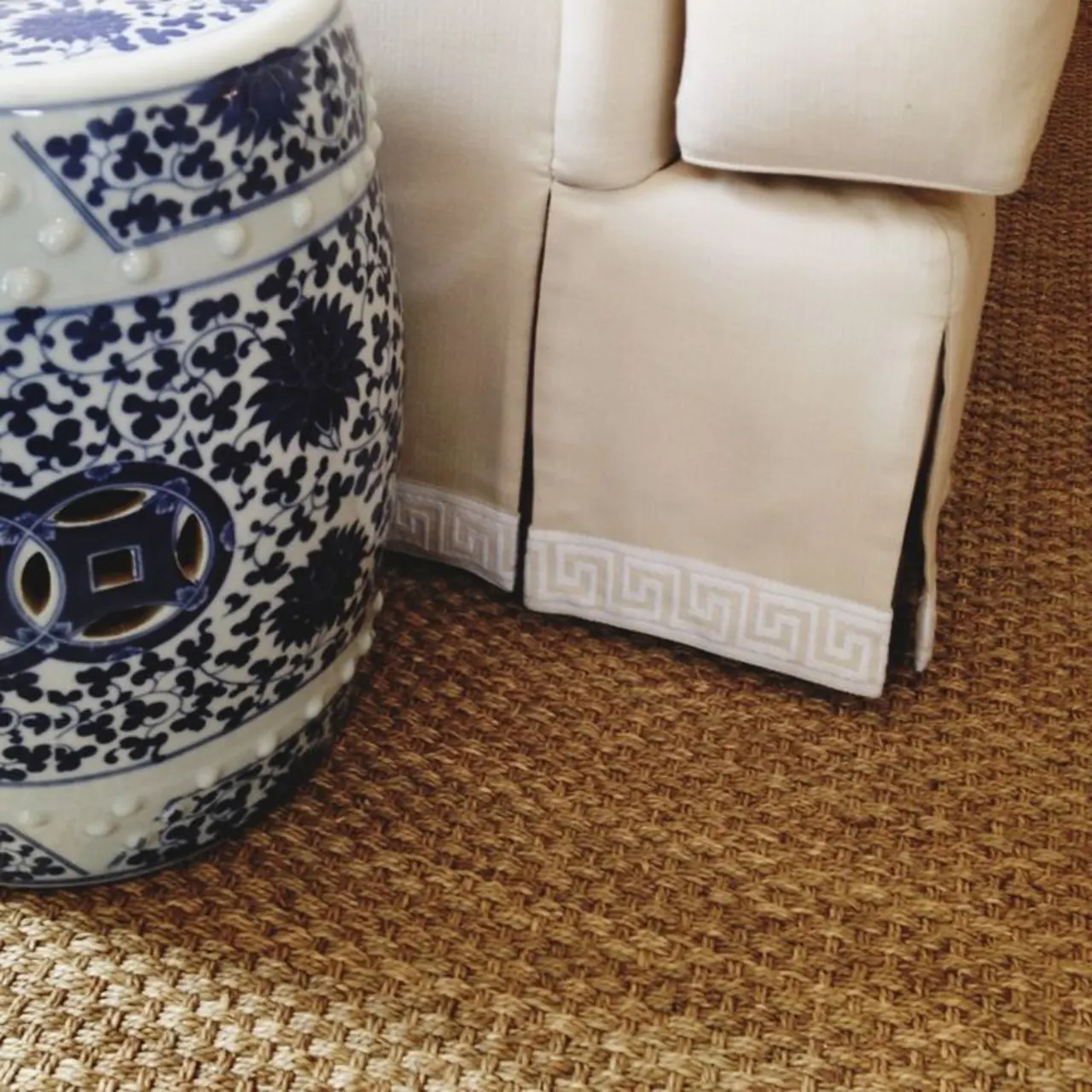
Seagrass is naturally antistatic and does not readily attract dirt or dust, making it a popular choice for for those seeking natural fiber flooring. Its natural look complements a wide range of interior styles and brings organic texture to the home. Custom seagrass rugs are available in a variety of sizes and shapes, including round rugs and hallway runners, with your choice of border finish.
Seagrass vs. Sisal vs. Jute? For an in-depth discussion on the differences between these natural fibers, head over to our blog post What Is the Difference between Sisal, Seagrass, Coir, Jute and Abaca?
One of seagrass's advantages is its naturally waxy fiber surface, which helps repel some spills and stains. However, a seagras rug or carpet is not waterproof. Liquids can penetrate the weave and backing, making certain stains difficult to remove. Trapped moisture can also encourage mold and mildew growth.
As with all spills and pet accidents, act quickly to blot up liquids or remove debris. Avoid rubbing, oversaturating, or steam cleaning the fibers. For spot cleaning, consider a dry-cleaning method or cleaning product specifically approved for natural fiber rugs and carpet, following the manufacturer's care instructions.
What about pet stains? Pet accidents, particularly urine, can be challenging to remove from natural fiber rugs and carpet. Blot up the liquid immediately with a clean, absorbent cloth. If staining or odors persist, consult a professional cleaner experienced with natural fibers.
For an added layer of protection and easier maintenance:
Apply a spray-on sealant designed for natural fiber rugs and carpet.
Vacuum regularly to extend the life of the rug.
Use walk-off mats at entrances.
Consider a no-shoes policy indoors.
Care and maintenance information is available under the Care tab on each weave page. For more general care guidelines, please visit our Care Guides page.
Seagrass is more moisture resistant than many natural fibers thanks to its naturally waxy surface. However, for wall-to-wall installations, we recommend dry, climate-controlled environments to minimize the risk of mold and mildew in the backing, pad, or subfloor.
In spaces such as kitchens, laundry rooms, a seagrass area rug may perform well if spills are addressed promptly and the rug is allowed to dry thoroughly. We recommend greater caution in bathrooms or other areas with frequent moisture exposure.
For areas that regularly get wet, explore our natural-looking synthetic weaves, which offer a similar organic aesthetic with enhanced water resistance and easier maintenance.
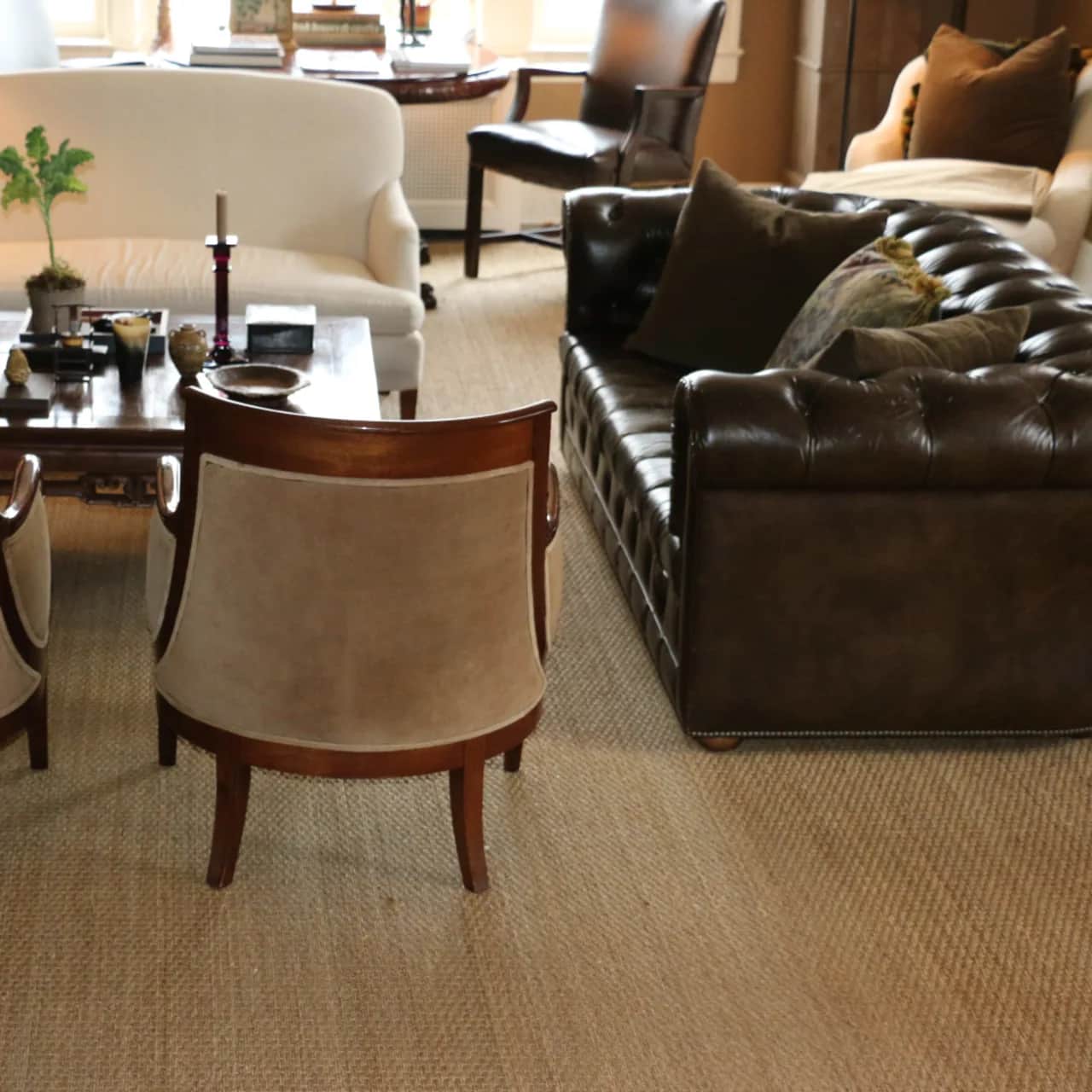
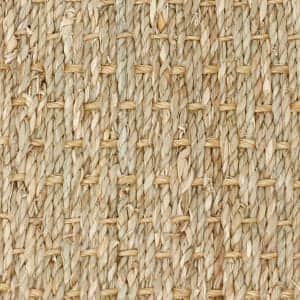
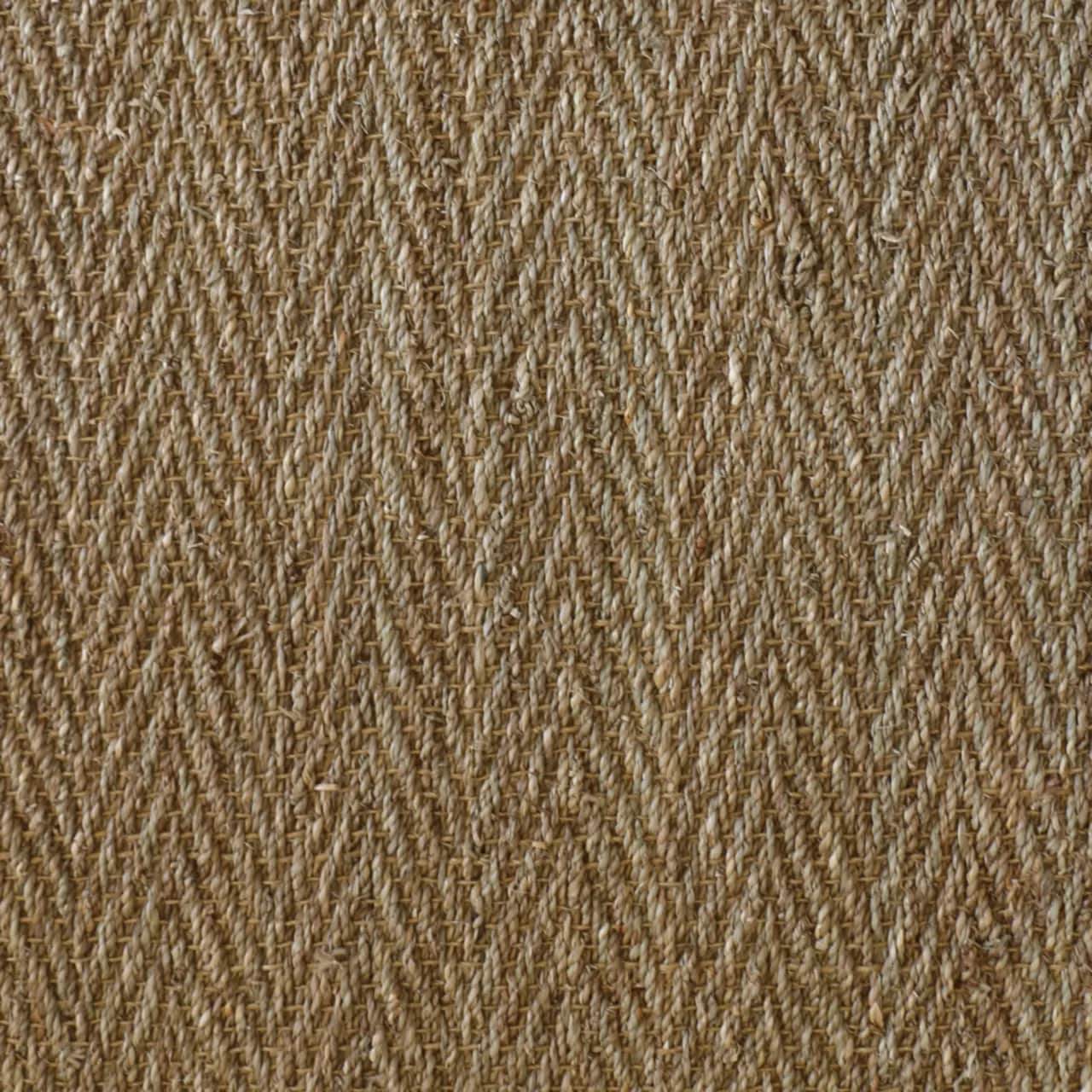
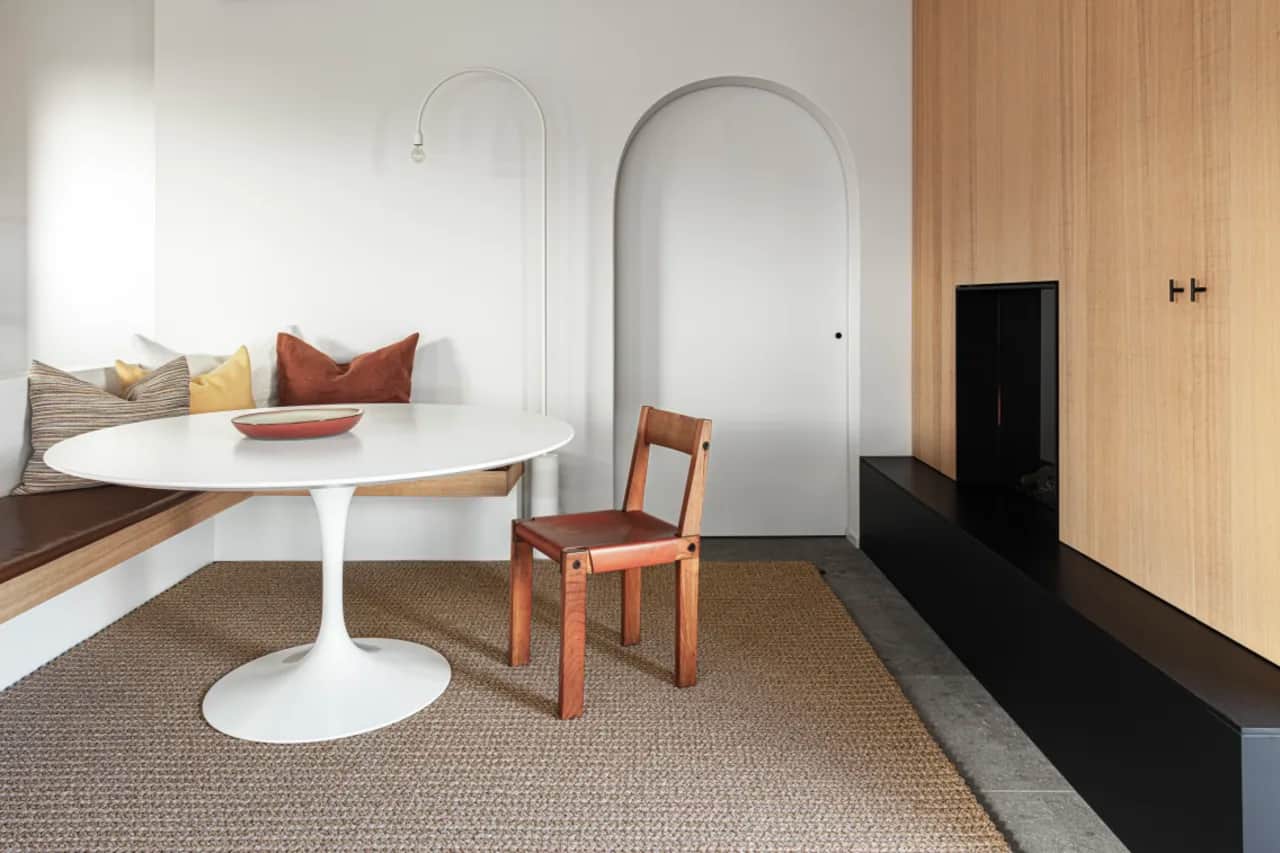
Seagrass rugs and carpet have long been valued for their versatility. Their natural colors and woven texture complement a wide range of design styles, while patterned weaves such as Arrowhead add subtle visual interest. Seagrass also serves as an excellent foundation for layering wool and other fiber rugs.
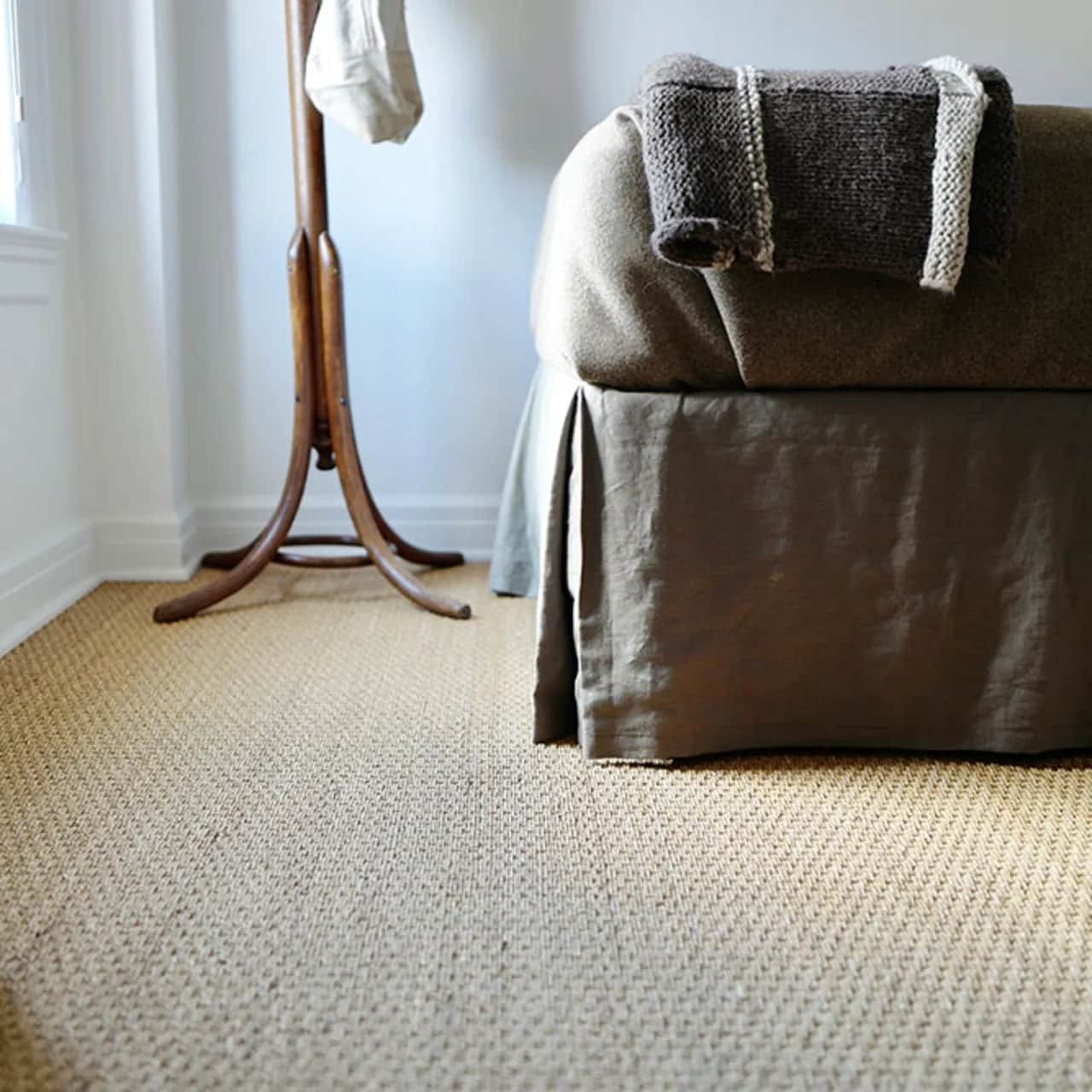
Since seagrass leaves are non-porous, they cannot be dyed and are available in one shade: natural. New seagrass often has a subtle green tint that gradually mellows into a warm tan or khaki over time.
Like many natural materials, seagrass can change color when exposed to direct sunlight for extended periods. Rotating your rug and using window treatments can help promote more even aging. If you're looking for additional color options, explore our other natural fiber rugs and carpet collections.
Seagrass is a renewable, biodegradable natural fiber. The seagrass plant has a fast-growing cycle, allowing for multiple harvests a year. Seagrass is traditionally cultivated without pesticides or chemical fertilizers, and much of the weeding is done by hand rather than with herbicides.
These natural qualities make seagrass an appealing choice for environmentally conscious interiors. However, the environmental characteristics of a finished seagrass rug or carpet also depend on its backing, treatments, and manufacturing processes.
Looking for earth-friendly flooring? Explore our EarthGentle™ categories to find the right fit for your project.
Backings help stabilize a weave while adding cushioning and sound insulation. Our seagrass rugs and carpet are available with either a natural latex backing or a urethane backing.
Latex backing is made from natural rubber but it has been known to stick to hardwood or other hard surface floors. We recommend using a rug pad for a layer of protection.
Urethane backing offers increased durability, cushioning, and floor protection.
To compare the two, order samples of both of the same weave in both constructions. For example, viewing Biscayne alongside Biscayne Urethane will help you see and feel the difference.