Commercial Carpet, Rugs & Tiles


Commercial Flooring for Every Project
Find commercial carpet, rugs, and tiles for hospitality, retail, workplace, and other environments, or head below to find guidance on materials, performance, and specifications in our FAQs.
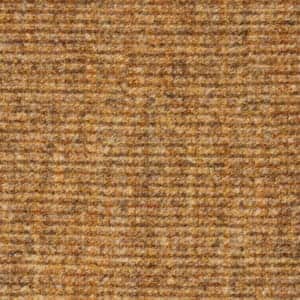
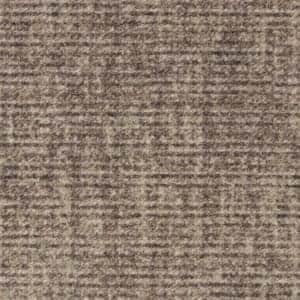
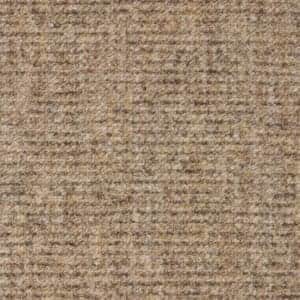
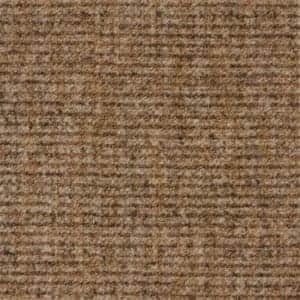
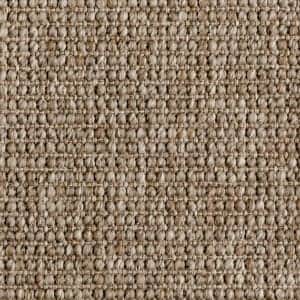
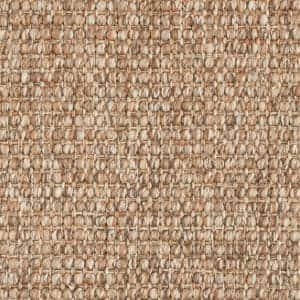
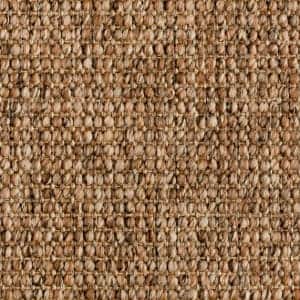
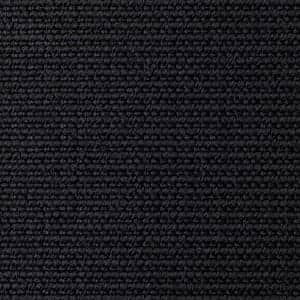
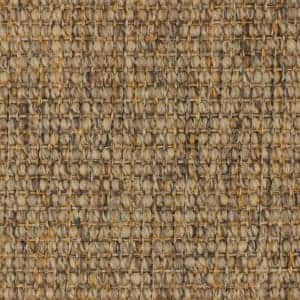
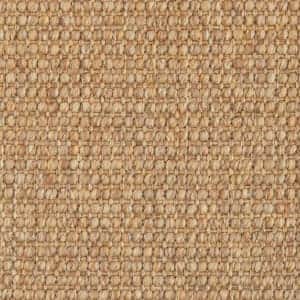
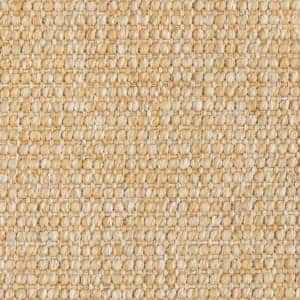
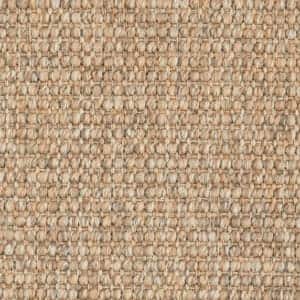
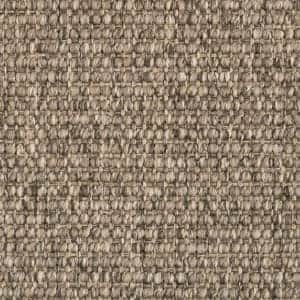
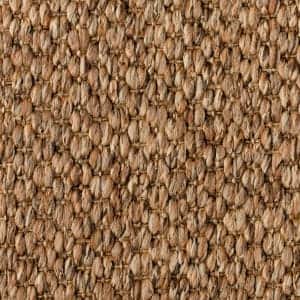
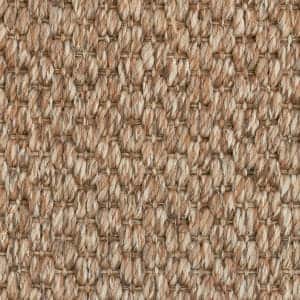
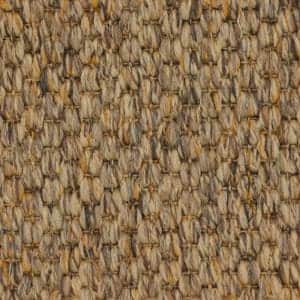
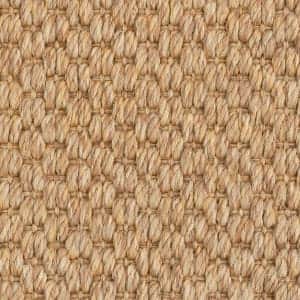
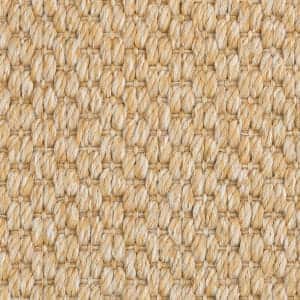
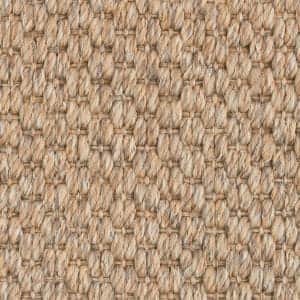
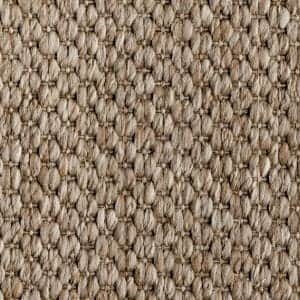
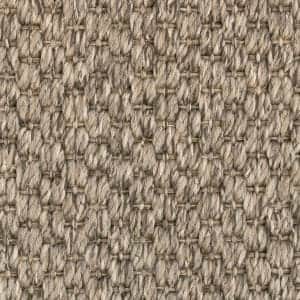
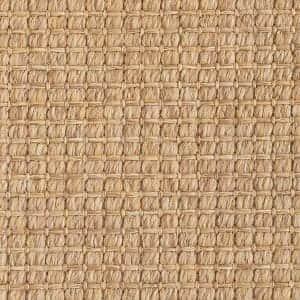
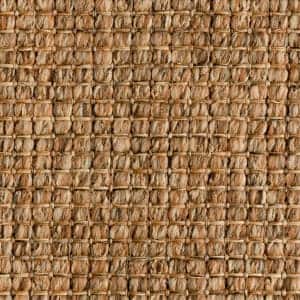
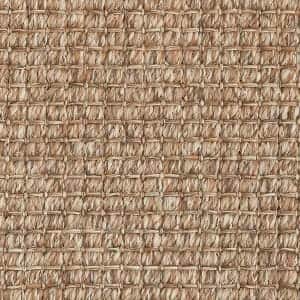
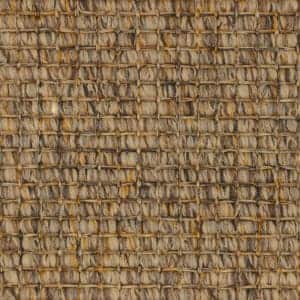
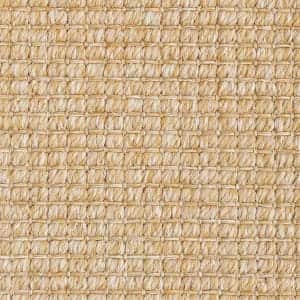
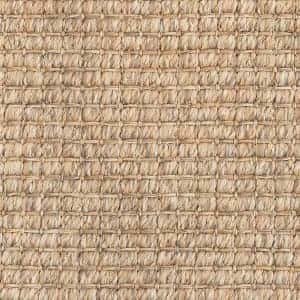
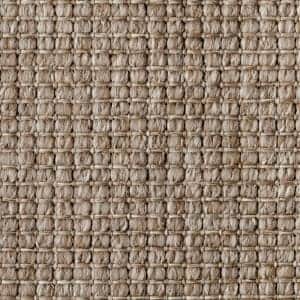
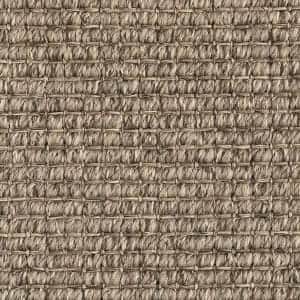
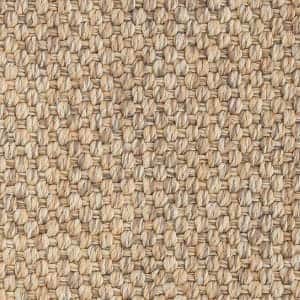
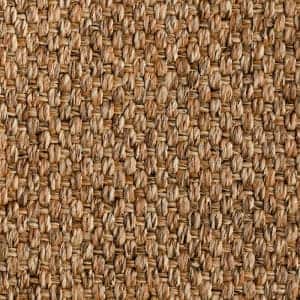
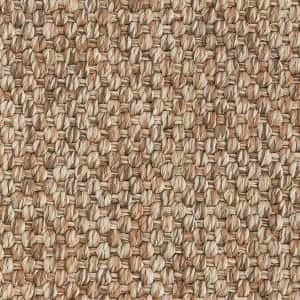
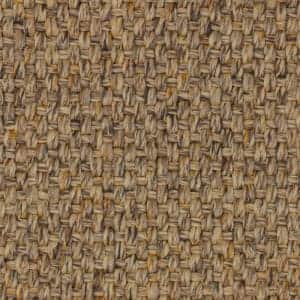
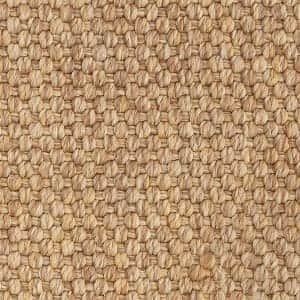
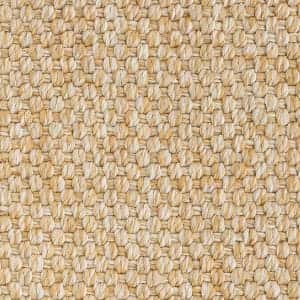
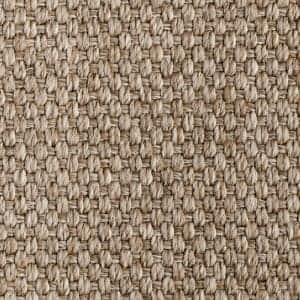
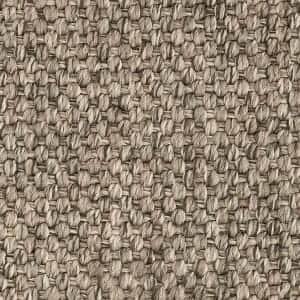
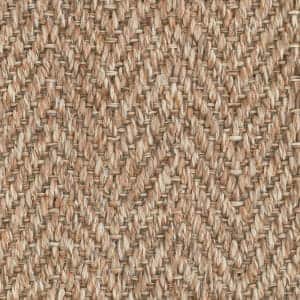
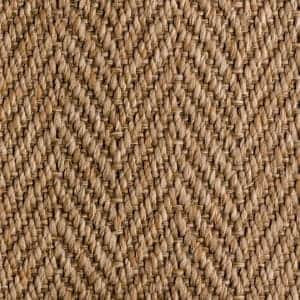
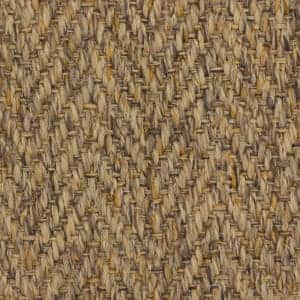
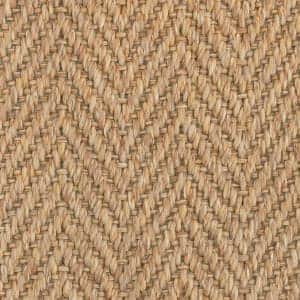
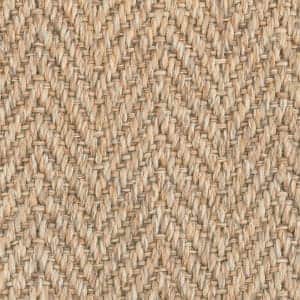
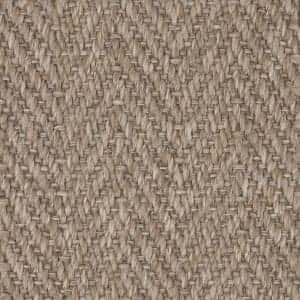
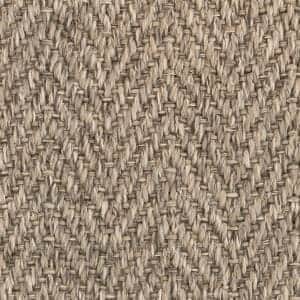
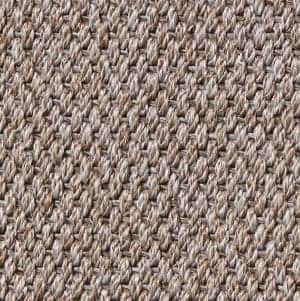
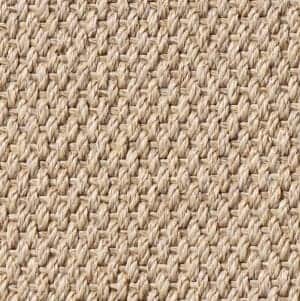
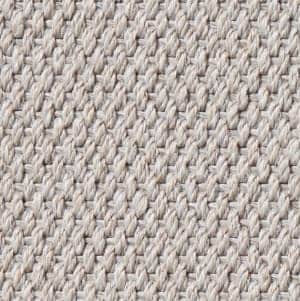
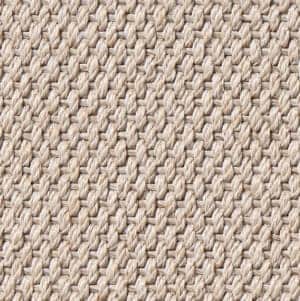
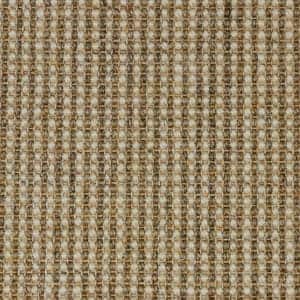
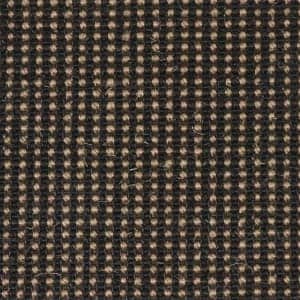
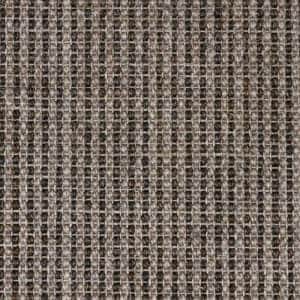
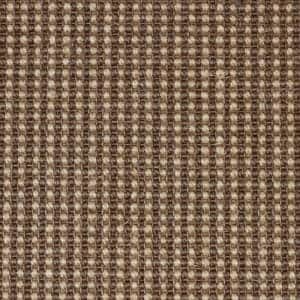
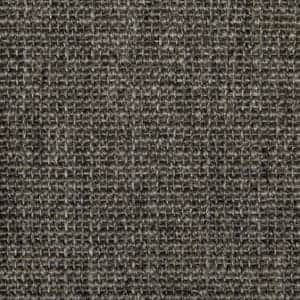
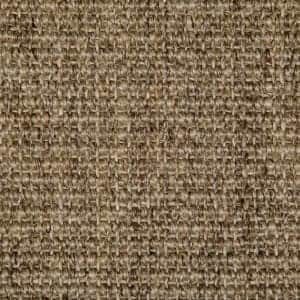
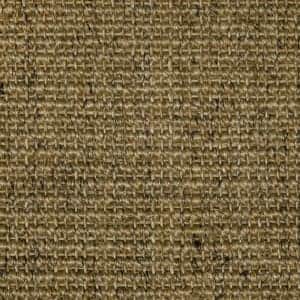
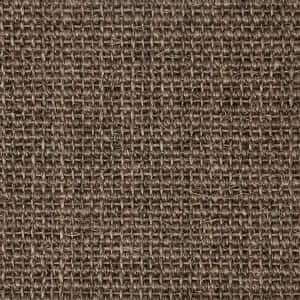
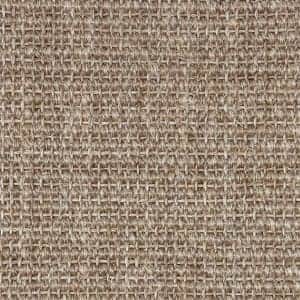
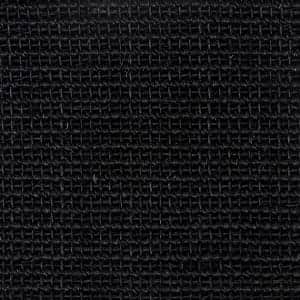
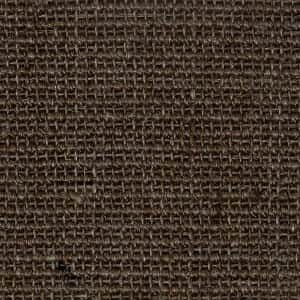
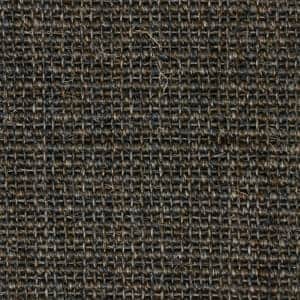
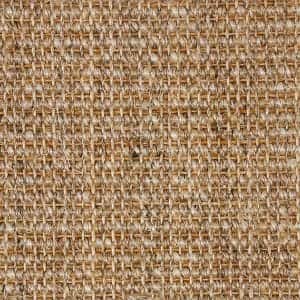
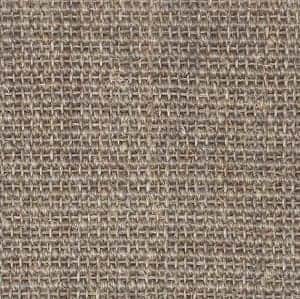
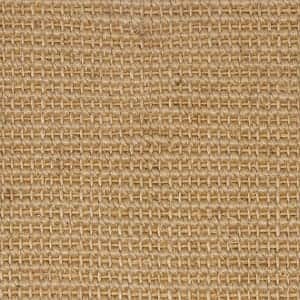
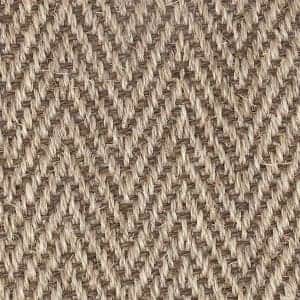
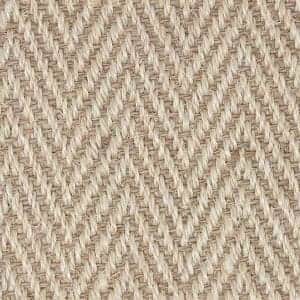
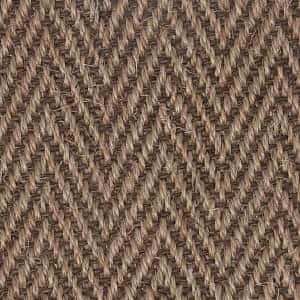
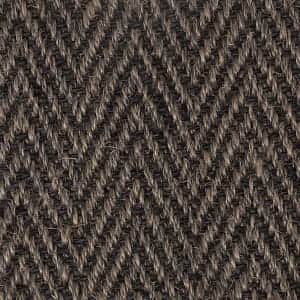
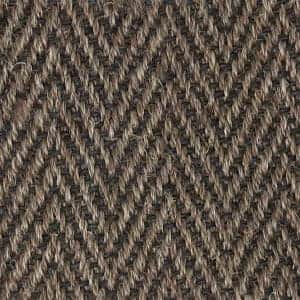
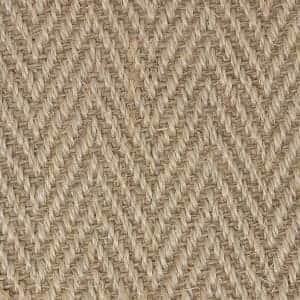
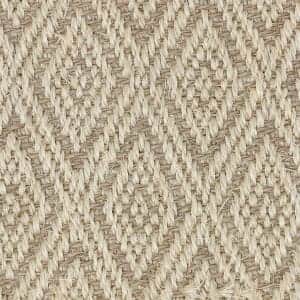
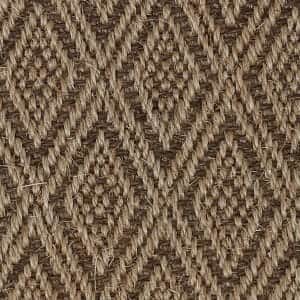
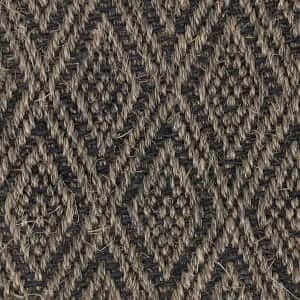
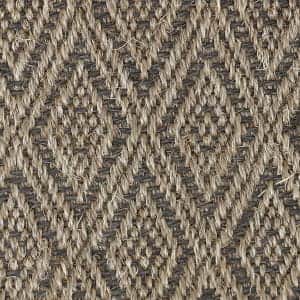
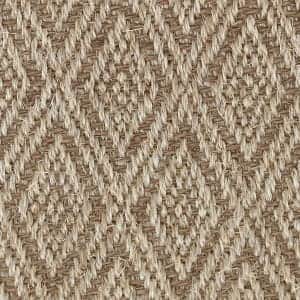
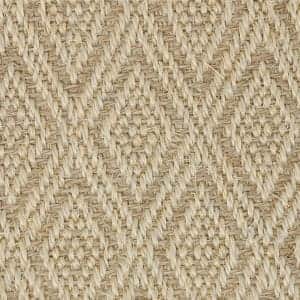
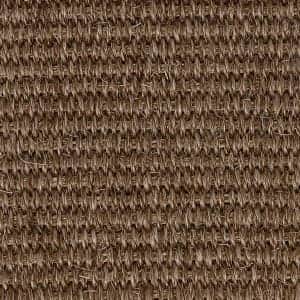
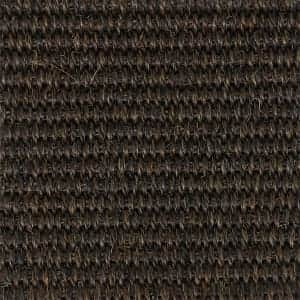
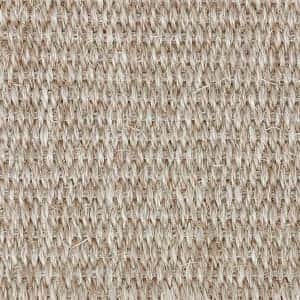
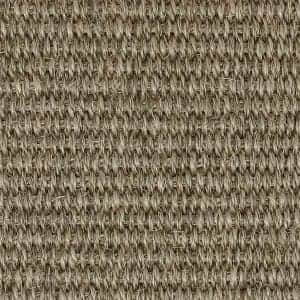
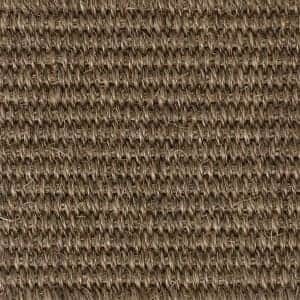
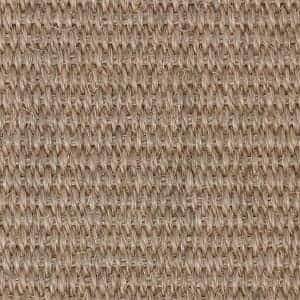
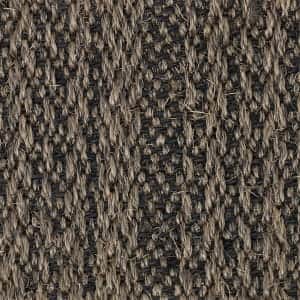
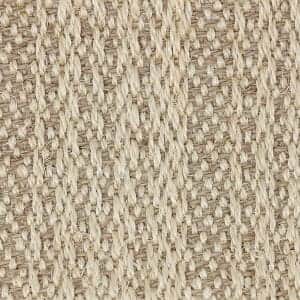
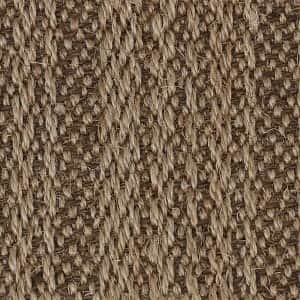
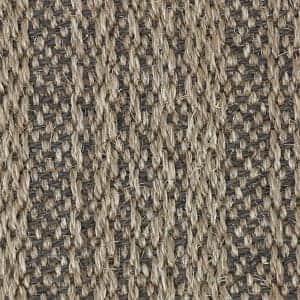
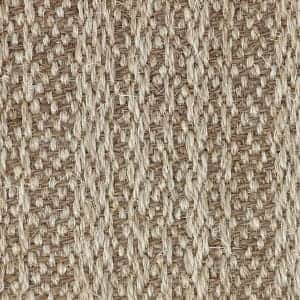
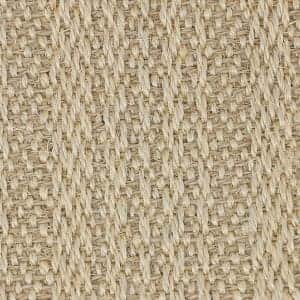
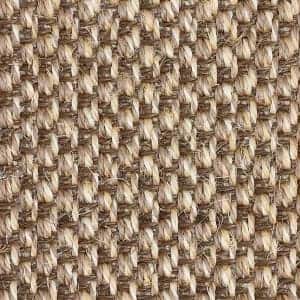
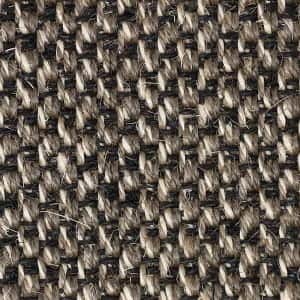
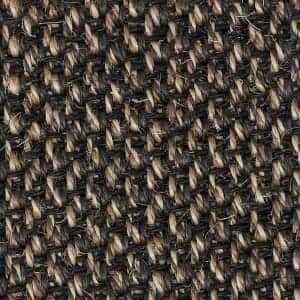
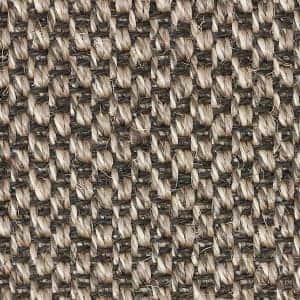
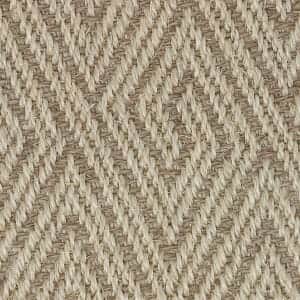
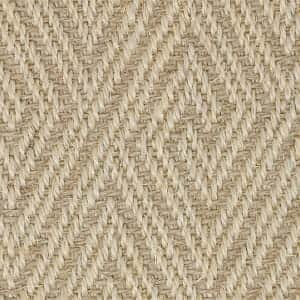
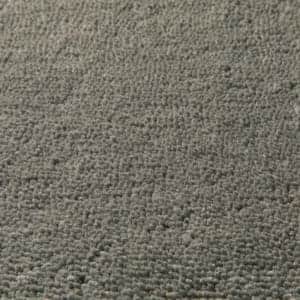
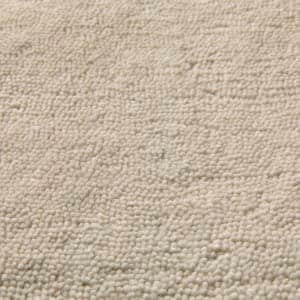
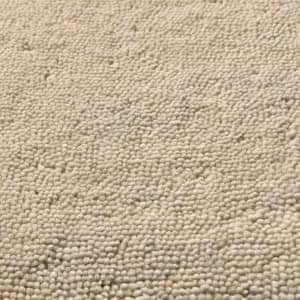
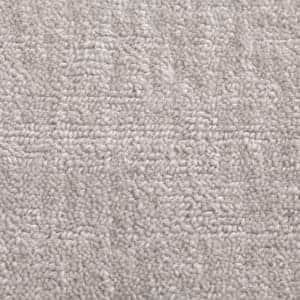
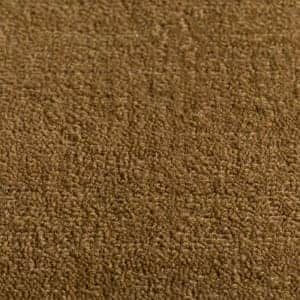
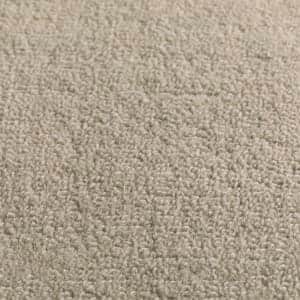
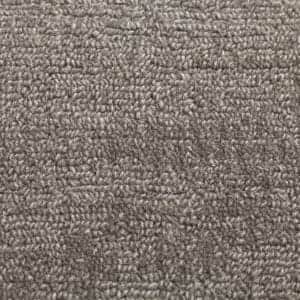
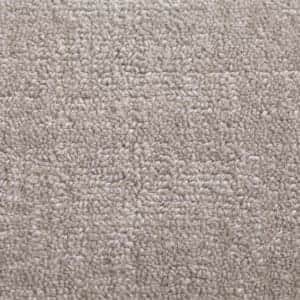
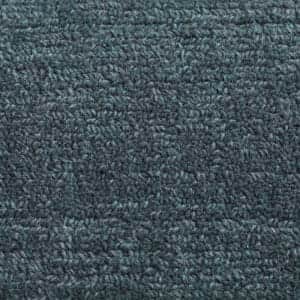
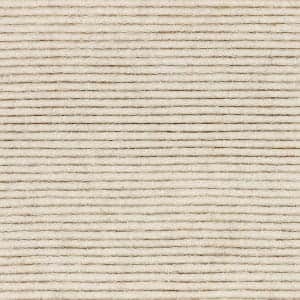
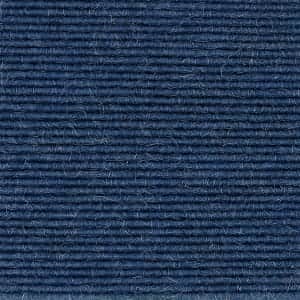
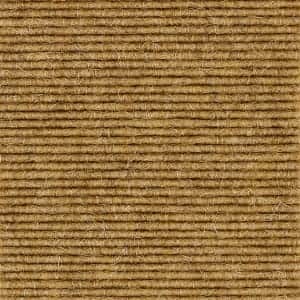
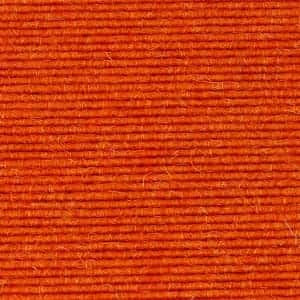
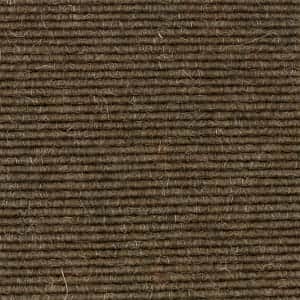
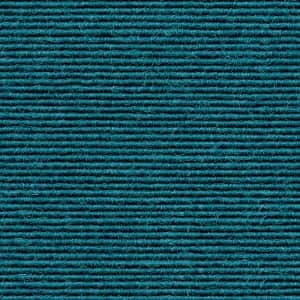
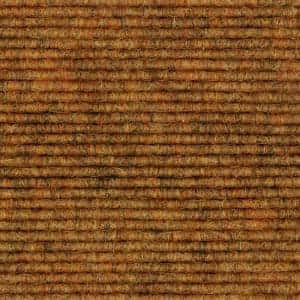
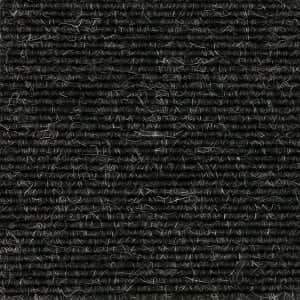
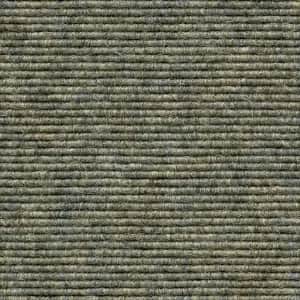
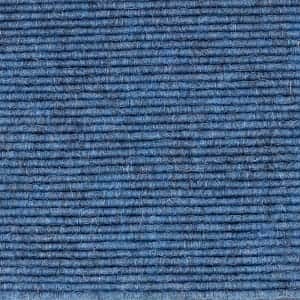
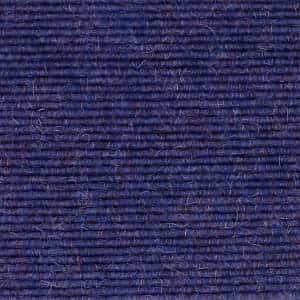
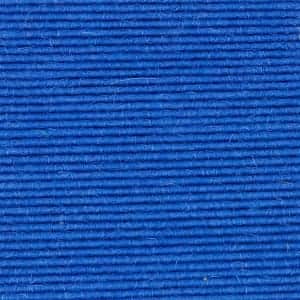
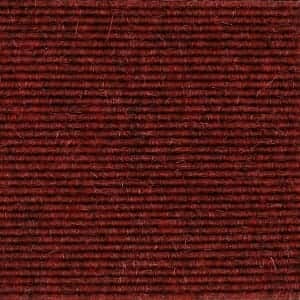
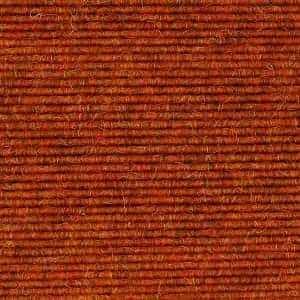
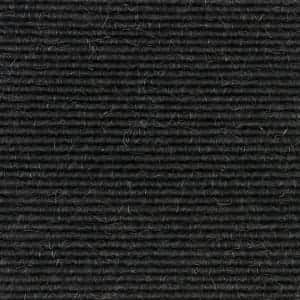
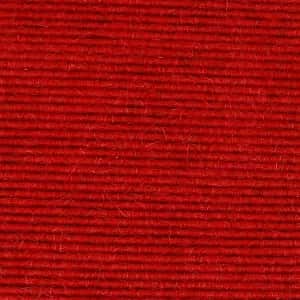
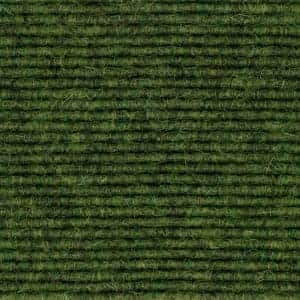
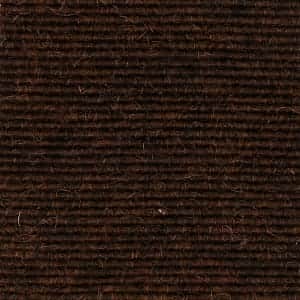
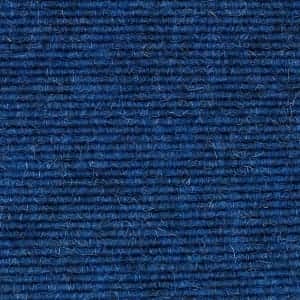
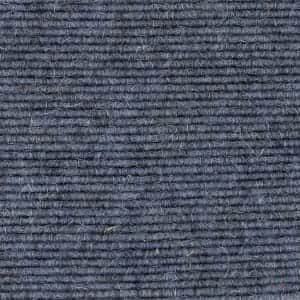
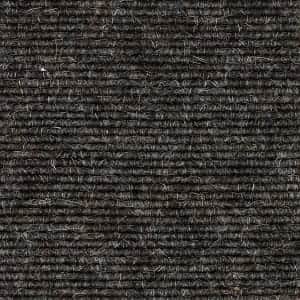
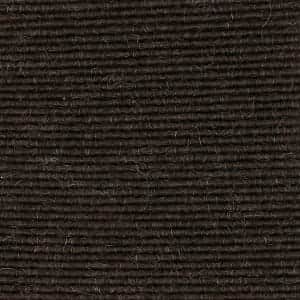
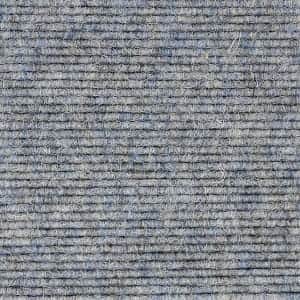
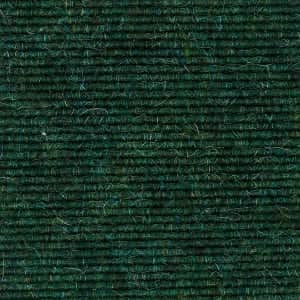
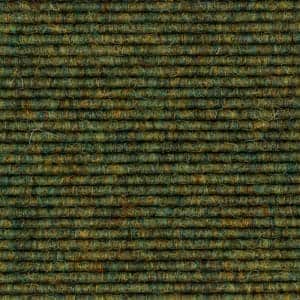
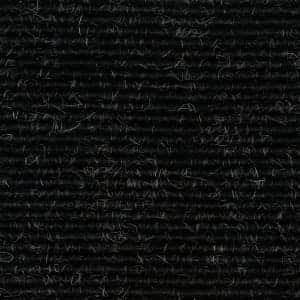
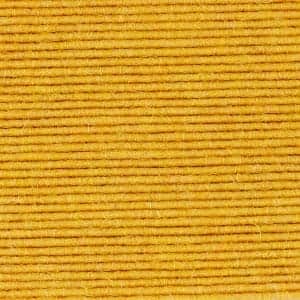
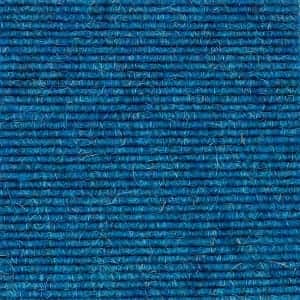
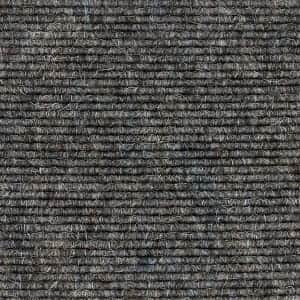
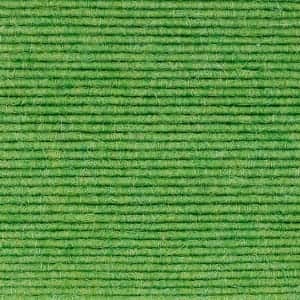
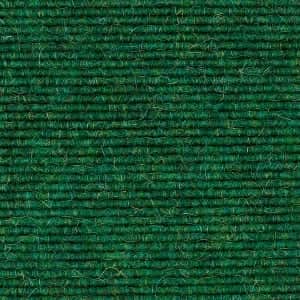
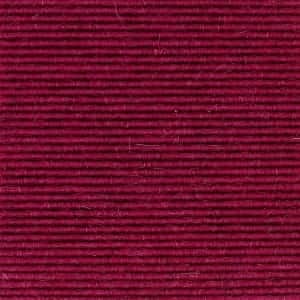
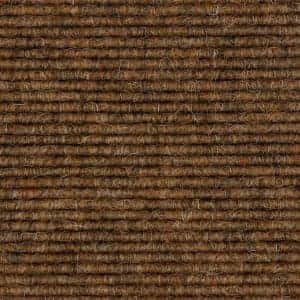
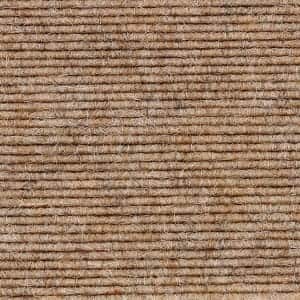
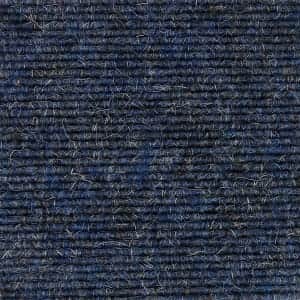

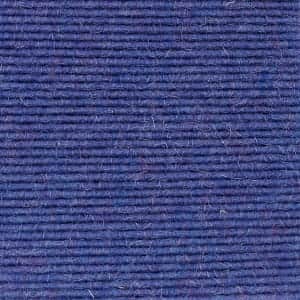
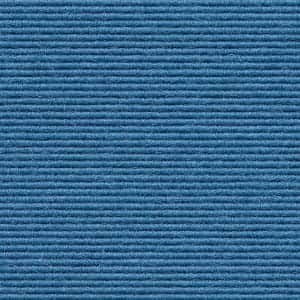
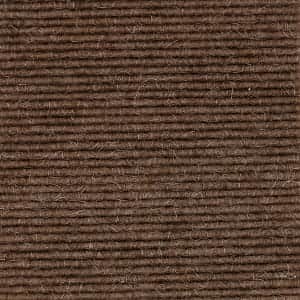
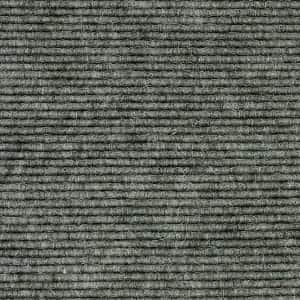
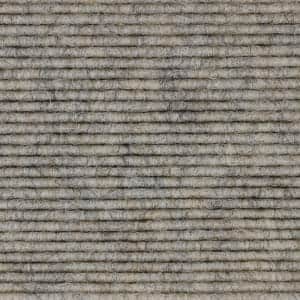
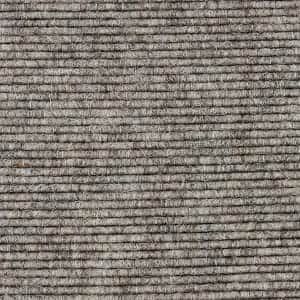
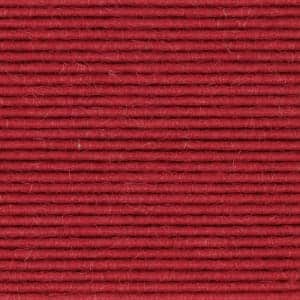
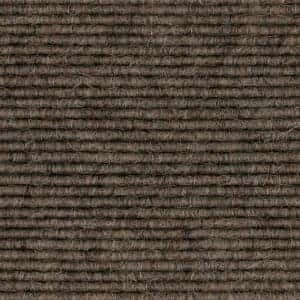
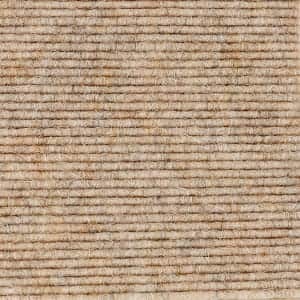
When a product is classified as “contract grade,” it means it is designed and constructed to meet the demands of commercial use. Contract-grade products are made from hard wearing materials using superior construction techniques. They must also meet strict regulatory or compliance requirements, like fire ratings or consumer protection regulations, for their intended setting. Restaurants, hotels, schools, businesses, and airports are just a few examples of spaces that require contract-grade furnishings and flooring.
All of Curran's commercial flooring products are contract-grade, meaning they meet durability standards for commercial applications. Fire ratings, however, are established separately. Carpet rated for heavy commercial traffic may not meet the specific fire classification (Class 1 or 2, Bfl or Cfl) required for the particular setting.
Review the usage ratings and technical specifications on each product page for a details. If you don’t see the documentation you need, reach out to us for assistance.
Our Commercial Carpet Classifications Guide provides an overview of carpet ratings to help you specify flooring for your next project.
Commercial or contract-grade carpet is designed to meet the durability and applicable fire safety requirements of commercial environments. Common materials include nylon, polypropylene, and woven vinyl, with some products offering additional stain and UV resistance. Commercial carpets typically feature short, dense fibers in low-pile tufted or woven constructions that withstand frequent foot traffic and are easier to maintain than deep-pile carpets.
For a more detailed look at commercial carpet materials, construction, and performance ratings, visit our Commercial Wall-to-Wall Carpet page.
If a carpet is classified as “heavy contract”, the face yarns are super durable, the construction is tight, and together it can withstand heavy use. Public spaces that encounter large amounts of traffic, like airports, corridors, hotel reception areas, cinemas, libraries, large department stores, and restaurants, should use heavy contract grade carpet.
A commercial carpet that is classified as “light contract” is suitable for areas that experience light to moderate foot traffic. Examples include conference and meetings rooms, residential facilities, retail stores, hotel rooms, and individual offices.
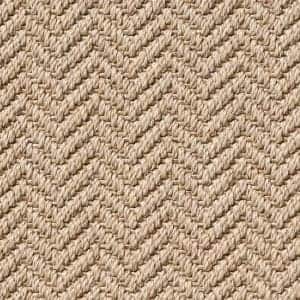
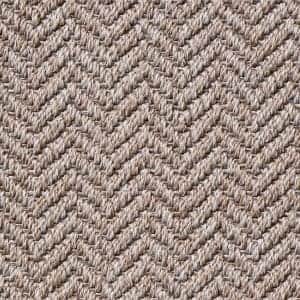
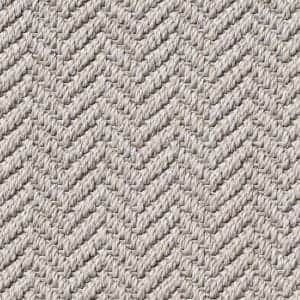
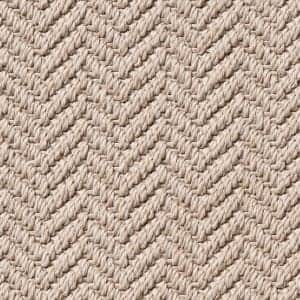
Yes, commercial-grade carpet can be a great choice for homes, especially busy households with pets, children, or frequent guests. Our natural-look SynSisal weaves are contract grade and frequently specified for residential interiors. Visit our Residential Projects page to see SynSisal in residential settings.
Whether a commercial grade carpet is more or less expensive than a residential carpet depends on many factors (like material choice), but either way you should expect a better return on your investment. A commercial carpet won’t be as lush as a carpet rated for residential use only, but it will hold up under regular maintenance, last longer, and show less wear and tear over time.
The pile or face yarns of most commercial carpets are made from synthetic materials. Synthetics offer advantages in stain-resistance, color retention, and ease of cleaning. However, natural fibers such as wool and some sisals are durable and contract rated.
When considering which material is best for your commercial carpet or area rug, consider construction as well as fiber content. The way a carpet or rug is constructed affects its performance over time. Below, we look at materials and construction methods suited to commercial environments.
Choice Materials
Nylon: Nylon, and more specifically Nylon 6 or Nylon 6,6, accounts for the majority of commercial carpet face or pile fibers. Nylon is resilient, easy to clean, abrasion resistant, and can be solution dyed. Solution dyeing, in which the synthetic polymers that make up the yarns are pre-colored before being extruded into yarn, results in an array of vibrant, fade-resistant colors.
ECONYL®: Made from regenerated nylon, ECONYL® is a durable PA6 nylon yarn manufactured with repurposed fishing nets, carpet, and post-consumer waste. It brings the same toughness that nylon is renowned for and adds an innovative sustainability story. All SynSisal® commercial carpet is woven from ECONYL® yarns.
Polypropylene or Olefin: Solution-dyed polypropylene yarns are durable, easy to clean, and maintain their colors when exposed to sunlight. Some polypropylene rugs can be used in outdoor settings since polypropylene is moisture resistant. Commercial polypropylene carpet is not as durable as nylon, and the fibers are not as crush- or abrasion-resistant as nylon. If not treated properly, oil-based spills may stain.
Polyester: Another popular synthetic material for carpets, polyester is colorfast and inherently stain resistant. It has a soft texture and is often used in “wool-like” carpets. Poly silk is a common polyester fiber used in commercial carpet. Because of its soft texture, it is not as durable as nylon, crushes easily, and requires more maintenance. It is less expensive than nylon and may contain recycled content, a potential positive call-out.
Woven Vinyl: Areas like spas, locker rooms, gyms, or any space that might get wet are great candidates for vinyl flooring. Woven vinyl is tough, easy to clean, durable, and slip resistant. This modern material is offered in sleek designs, colorful palettes, and interesting textures.
Wool: Wool is a renewable fiber with insulating qualities and limitless designs. Wool is also naturally fire and stain resistant. A wool carpet with a low profile and contract grade ratings works well in private offices or settings with low to medium traffic. Wool blends that combine wool and nylon are a durable and affordable option if pure wool is not within the budget.
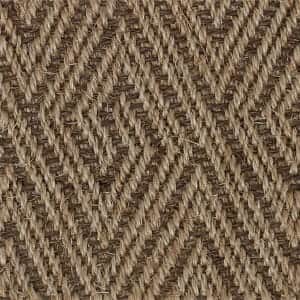
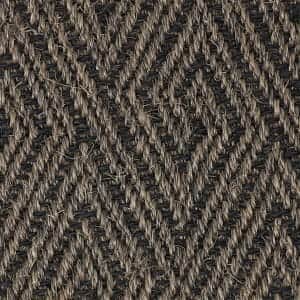
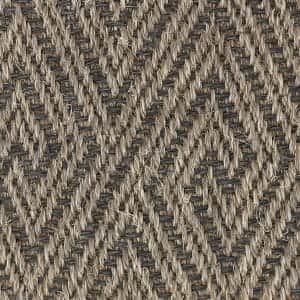
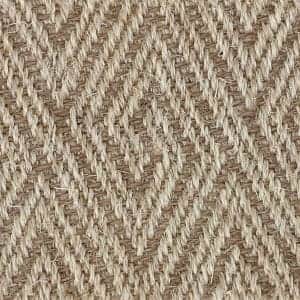
Sisal or Coir: Both sisal and coir are tough, natural fibers that add organic beauty to commercial spaces like boutique shops or offices. Our Contract Coir brings rustic texture, natural beauty, and a heavy duty resume to retail spaces or private offices. Likewise, our stain-resistant sisal collection is rated for heavy contract use.
For a comparison of synthetic fibers like nylon and polypropylene, head over to our blog post Nylon, Polyester, & Polypropylene Rugs: Everything You Need To Know.
Consider Construction
Woven: Woven carpets are very durable and withstand heavy traffic. They are formed via the simultaneous interweaving of warp and weft yarns, creating a high strength product. Look for a flatweave carpet as they tend to have a tighter structure and a low-profile, perfect for commercial projects.
Tufted: Most contract grade carpet is tufted. Like a giant sewing machine with a hundred, if not thousands, of needles, a tufting machine inserts yarn into the primary backing system. Loops are formed that are either tight or loose, and are either kept in the loop form or sheared to create a cut pile.
Carpet Tiles: Although modular carpet or carpet tile is not a weave construction per se, it is a commercial flooring option that works very well in many commercial settings. Commercial carpet tiles are generally tufted with a low profile, offer versatility in style and application, and are easy to install and maintain.
Durable, contract-rated carpet installed wall-to-wall is the go-to application for heavy traffic facilities like a bustling airport concourse or a convention center corridor that endures thousands of steps a day. Commercial carpet is tough, creates a cohesive design, absorbs noise, and provides a safe, level walking surface.
A contract grade area rug still has a place in many commercial settings, like open offices, shared workspaces, lobbies, educational institutions, or retail shops. Area rugs add warmth, define a space, showcase a design aesthetic, and provide acoustic insulation. Inset area rugs, like custom walk-off mats, capture dirt and dust from shoes and offer a great opportunity to display a corporate logo and school mascot.
Need guidance on how to size a rug in a commercial or hospitality setting? The Commercial Rug Size Guide and the Hospitality Rug Size Guide walk you through the process with tips, illustrations, and mistakes to avoid.
If you are not sure which product you need for a commercial project, we have a knowledgeable design team ready to assist. Plus, we offer an exceptional Trade Program. We work with designers, architects and installers daily, providing support for large or small commercial projects. And we have the products you need, including commercial rugs, runners, wallcovering, tiles, and walk-off mats.
Our in-depth blog is filled with resources for designers, specifiers, installers and professionals like you to help you and your project .
Design. Source. Save.
Join our trade program and gain access to exclusive trade pricing, free quick-ship samples, and a dedicated account manager to streamline your projects.
